Specialized Breast & Body Contouring Center in Seoul · Dedicated 1:1 International Patient Concierge

Articles
Aesthetic Hip Surgery Recovery: What to Expect | Dite Plastic Surgery
Learn about the recovery process after aesthetic hip surgery, including pain management, physical therapy, and long-term results. Start your journey with Dite Plastic Surgery.
Schedule a ConsultationAesthetic Hip Surgery Recovery: What to Expect | Dite Plastic Surgery
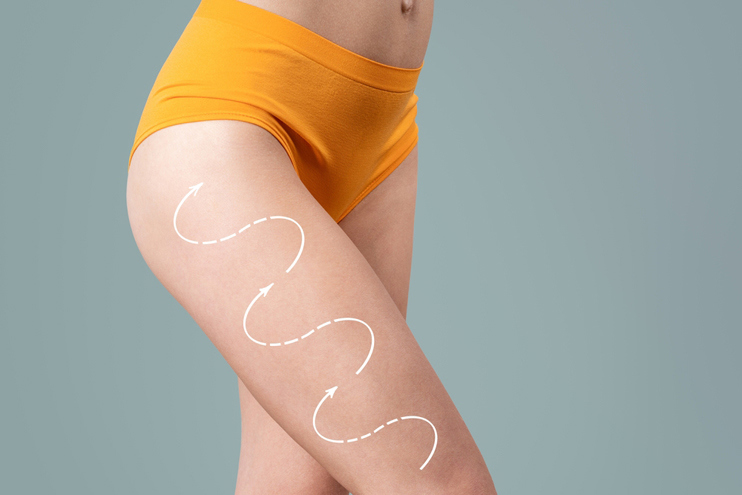
Aesthetic hip surgery is a transformative procedure that helps individuals achieve a more balanced and youthful body silhouette. As one of the most sought-after cosmetic surgeries, it focuses on reshaping and sculpting the hips to enhance body contours. Procedures like fat grafting, liposuction, and hip reshaping can significantly alter a person’s figure, but the recovery process plays a crucial role in determining the success and overall outcome of the surgery.
Understanding the recovery process is essential for anyone considering aesthetic hip surgery. Not only does it impact the timeline of healing, but it also directly influences the final results. Patients who are well-prepared for each stage of recovery tend to manage discomfort better, reduce the risk of complications, and follow post-operative care more effectively.
At Dite Plastic Surgery, we are proud to offer state-of-the-art care and personalized treatment plans. Under the guidance of Dr. Jun Wook Lee, a highly regarded expert in aesthetic surgery, we focus on delivering results that prioritize both safety and patient satisfaction. This article delves into the recovery process after aesthetic hip surgery, offering real-world insights and practical tips for a smoother healing journey.
What Is Aesthetic Hip Surgery?
Aesthetic hip surgery is a specialized procedure designed to reshape the hips, creating smoother, more proportionate contours. Some of the most common techniques include:
- Liposuction: Removing excess fat from the hips and flanks to define the waist and achieve a sleeker silhouette.
- Fat Grafting: Harvesting fat from areas like the abdomen or thighs and injecting it into the hips to enhance volume, shape, and symmetry.
- Hip Reshaping: A combination of liposuction and fat grafting to sculpt the hips in a way that harmonizes with the patient’s overall figure.
Unlike orthopedic hip surgeries that focus on joint health, these cosmetic procedures concentrate on the soft tissues around the hips. With an emphasis on achieving natural, aesthetically pleasing results, Dr. Jun Wook Lee uses minimally invasive techniques, ensuring less trauma, faster recovery times, and reduced post-operative discomfort.
At Dite Plastic Surgery, every treatment plan is customized based on an individual’s anatomy and desired outcomes. This personalized approach helps to maximize results while minimizing risks, ensuring that each patient receives care tailored specifically to their body type and aesthetic goals.
The Immediate Post-Operative Phase
The first few days following your surgery are crucial for a smooth and effective recovery. Immediately after surgery, you will wake up from anesthesia in a monitored environment where medical staff will ensure that any discomfort or side effects from anesthesia, such as nausea or grogginess, are managed.
Pain and swelling are common during this stage, as the body begins to heal from the surgical intervention. However, Dr. Jun Wook Lee and his team utilize a multimodal pain management approach to keep discomfort under control. This may include local anesthesia, oral pain medications, and anti-inflammatory treatments.
Patients can expect some swelling and bruising around the hip and thigh areas, which typically peaks within 48 to 72 hours. These are natural signs of the body’s inflammatory response as it begins to heal. Over time, patients may also experience temporary numbness or tightness in the treated areas, which improves gradually.
At Dite Plastic Surgery, most patients are observed in the clinic for 1 to 2 days following surgery to monitor for any immediate complications such as excessive bleeding, blood clots, or infections. Nurses assist with wound care, pain management, and early mobilization during this period. Compression garments are introduced early on to reduce swelling and help contour the body as the tissues heal.
Managing Pain and Swelling Effectively

Pain and swelling are two of the most common concerns after hip surgery. Dr. Jun Wook Lee and the team at Dite Plastic Surgery prioritize effective pain management, ensuring that patients can recover comfortably while minimizing discomfort.
Our pain management strategy includes a tailored combination of:
- Non-opioid pain relievers (e.g., acetaminophen, ibuprofen) for controlling mild to moderate pain and reducing inflammation.
- Opioid painkillers prescribed cautiously for more severe pain, with close monitoring to avoid dependence.
- Muscle relaxants used sparingly to address muscle spasms, which may occur in the early stages of recovery.
Non-pharmacologic techniques are also crucial in managing pain and swelling, including:
- Cold therapy: Applying ice packs during the first 48 hours to reduce inflammation and provide pain relief.
- Elevation: Keeping the hips elevated when resting to minimize fluid buildup and reduce swelling.
- Compression garments: Worn consistently to support lymphatic drainage and help maintain contour.
In addition to these strategies, Dite Plastic Surgery incorporates advanced therapies such as SMART LUX LED Therapy and Onew-H810 High Frequency Therapy, which promote faster healing by stimulating cellular repair and improving circulation.
The Importance of Physical Therapy for a Smooth Recovery
While rest is essential immediately after surgery, prolonged immobility can lead to muscle weakness, stiffness, and an increased risk of blood clots. This is why physical therapy is an integral part of recovery. Dr. Jun Wook Lee works closely with skilled physical therapists to ensure that each patient’s rehabilitation is personalized, ensuring a smooth return to daily activities and preserving the aesthetic results of the surgery.
Physical therapy generally begins within the first few days to a week after surgery, depending on your specific condition and the extent of the surgery. The goals of physical therapy include:
- Improving circulation to enhance healing.
- Preventing muscle atrophy and joint stiffness.
- Gradually restoring range of motion without straining the surgical sites.
- Strengthening muscles around the hips to support the new contours.
Dite Plastic Surgery offers structured rehabilitation programs designed to support recovery and optimize aesthetic outcomes. Under the supervision of trained physical therapists, patients engage in exercises like gentle hip rotations, leg lifts, and controlled walking. The progress of rehabilitation is closely monitored to ensure that it is both safe and effective.
Wound Care and Scar Management
Proper wound care is critical to prevent infection and achieve optimal healing. Following Dr. Jun Wook Lee’s instructions for post-surgery care will significantly impact the appearance of scars and the success of your recovery.
Patients should keep the surgical areas clean and dry, change dressings as directed, and avoid any pressure on the incisions. Signs of infection, such as redness, warmth, unusual discharge, or fever, should be promptly reported to the clinic to prevent further complications.
Most scars will naturally fade over time, but additional care can help reduce their visibility. Using silicone gels, medical-grade creams, and sun protection can significantly improve the final appearance of scars. Dite Plastic Surgery also offers advanced scar treatments such as laser therapy and microneedling to enhance skin texture and further improve the appearance of scars once healing is complete.\n\n## Long-Term Recovery and Maintaining Results\n\nThe complete recovery from aesthetic hip surgery generally spans several weeks to months, depending on the procedure's complexity and the individual’s health. In most cases, patients can resume light daily activities within 2 to 4 weeks. Strenuous exercises or heavy lifting, however, should be avoided for up to 6 to 8 weeks.\n\nFor the best long-term results, maintaining a healthy lifestyle is crucial. Balanced nutrition and regular exercise can help preserve the contour improvements achieved through surgery. It’s also important to avoid significant weight fluctuations, which can affect the longevity of the results.\n\nMany patients report feeling more confident and satisfied with their bodies after surgery, experiencing not only physical transformations but also improvements in self-esteem and body image.\n\n## Choosing the Right Clinic for Aesthetic Hip Surgery\n\nWhen considering aesthetic hip surgery, safety should be a top priority. Dr. Jun Wook Lee and the team at Dite Plastic Surgery have extensive experience performing body contouring surgeries. Our clinic is equipped with cutting-edge technology, advanced surgical tools, and a commitment to patient safety.\n\nFor a successful outcome, it’s important to choose a clinic that offers:\n\n- Experienced, board-certified surgeons with expertise in body contouring.\n- State-of-the-art equipment to enhance precision and minimize complications.\n- Comprehensive patient care that includes thorough pre-surgical assessments, advanced post-operative care, and ongoing support.\n- A focus on minimally invasive techniques to reduce recovery time and improve results.\n\nAt Dite Plastic Surgery, we provide continuous monitoring and support throughout your recovery journey, ensuring that you achieve both the aesthetic and emotional benefits you desire from your surgery.
Articles
Evidence-based surgical guides, clinical insights, and recovery resources from Dite Plastic Surgery.

The Top 5 Benefits of Hip Implant Surgery
"Discover the top 5 benefits of hip implant surgery, from pain relief to improved mobility. Learn how it can enhance your quality of life today!"
Learn More

The Risks and Benefits of Hip Revision Surgery Explained
Discover the risks and benefits of hip revision surgery, from recovery to outcomes, to make informed decisions. Learn more today!
Learn More

Why Abdominal Surgery Is the Ultimate Solution for Stubborn Belly Fat
Discover why abdominal surgery is the best solution for stubborn belly fat. Learn benefits, risks & results to achieve your dream body today!
Learn More