Specialized Breast & Body Contouring Center in Seoul · Dedicated 1:1 International Patient Concierge


Articles
Complete Guide to Hip Implant Surgery: Types, Recovery & Risks
Explore the benefits, types, recovery tips, and real patient testimonials about hip implant surgery from Dr. Jun Wook Lee, an expert in body contouring.
Schedule a ConsultationComplete Guide to Hip Implant Surgery: Types, Recovery & Risks
Hip implant surgery has gained significant popularity as a solution for individuals looking to enhance their lower body proportions. Whether you’re looking to restore volume to your hips, create a more rounded silhouette, or correct the shape lost due to aging or weight fluctuations, hip implants can provide natural-looking, lasting results. But before deciding, it’s essential to gain a clear understanding of the procedure, the recovery process, and potential risks. Let’s take an in-depth look at everything you need to know about hip implants.
Why Choose Hip Implant Surgery?
Hip implants are ideal for individuals seeking fuller, more contoured hips. Those with flat or underdeveloped hips often turn to implants to enhance their body shape and restore volume. This surgery can also provide excellent results for patients seeking to achieve a more defined, hourglass figure by improving the proportions of the lower body. When combined with other body contouring procedures such as breast augmentation or liposuction, hip implants help create a more harmonious balance in the body’s proportions.
Dr. Jun Wook Lee, a renowned expert in body contouring, explains that a strategically placed hip implant can significantly enhance a patient’s silhouette. The procedure not only helps patients look their best but also boosts their confidence. His clinic is known for providing personalized treatment plans tailored to each patient’s unique body shape and aesthetic goals.
Exploring the Types of Hip Implants: Which is Right for You?
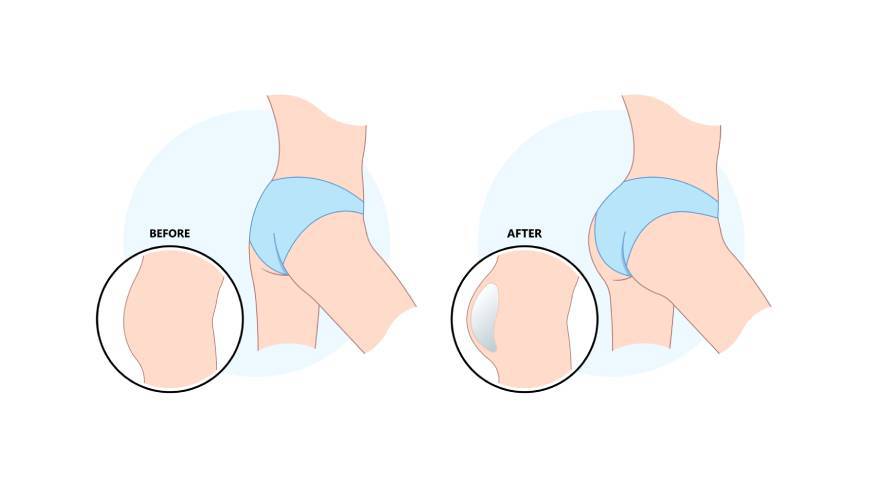
When considering hip implants, patients typically have two options: silicone and saline implants. Each option has distinct advantages, and understanding the differences is crucial for making the right choice.
- Silicone Implants: These implants are known for their natural feel and long-lasting results. The silicone gel inside mimics the feel of natural tissue, making them the preferred choice for many patients. Silicone implants also tend to have a lower risk of complications like rupture.
- Saline Implants: These implants are filled with a sterile saltwater solution, which can be adjusted during the procedure to match specific size requirements. While they are often more affordable than silicone implants, they may not provide the same natural feel and can carry a higher risk of rippling or rupture.
Dr. Lee suggests that the decision between silicone and saline implants depends on your body goals and preferences. Additionally, emerging technologies like "gummy bear" implants, made from a more cohesive silicone gel, are becoming popular due to their durability and shape retention.
What to Expect During Hip Implant Surgery
Hip implant surgery is performed under general anesthesia, typically lasting between 2 to 4 hours. The surgeon will make small, discreet incisions in areas that minimize visible scarring, through which the implants will be placed. The implant placement and size will be tailored to your body type and aesthetic preferences.
One of the advantages of this surgery is the relatively quick recovery time compared to other body contouring procedures. Most patients can resume light activities within 1-2 weeks, but it may take up to 6 weeks for full recovery, especially before engaging in strenuous activities like exercise. However, like all surgeries, hip implant procedures come with potential risks, including infection, implant displacement, or asymmetry.
Recovery After Hip Implant Surgery: What to Expect
Following hip implant surgery, proper aftercare is essential for ensuring optimal results and minimizing complications. Dr. Lee recommends that patients take it easy during the first week after surgery, avoiding strenuous physical activities. Swelling, bruising, and mild discomfort are typical during the early stages of recovery but are generally managed with pain medication prescribed by your surgeon.
It’s crucial to attend follow-up appointments with your surgeon, as these visits allow for monitoring the healing process and addressing any concerns. Additionally, Dr. Lee often advises wearing compression garments to reduce swelling and help ensure that the implants settle in the correct position.
Some patients may also be prescribed specific exercises to help with recovery and minimize stiffness in the hips. These exercises, when followed correctly, can expedite the recovery process and ensure a smooth healing journey.
Potential Complications and How to Manage Them
Although hip implant surgery is generally safe, there are potential complications to be aware of. Capsular contracture, a condition in which the tissue surrounding the implant tightens, can cause discomfort or affect the appearance of the implants. Another rare complication is implant rupture, which may require revision surgery.
To minimize these risks, it’s essential to choose an experienced, board-certified surgeon. Dr. Jun Wook Lee’s expertise and careful attention to detail help ensure that his patients experience minimal complications. According to research, the likelihood of complications is significantly reduced when patients follow post-surgery care instructions closely.
Real Patient Testimonials: Experiences with Dr. Jun Wook Lee
Patients who have undergone hip implant surgery with Dr. Lee share positive experiences about the transformative impact the procedure has had on their lives. Sarah M., a recent patient, noted, “I was initially anxious, but Dr. Lee’s approach put me at ease. He took the time to answer all my questions, and the results exceeded my expectations. I now feel more confident than ever in my body!”
These personal stories underscore the importance of selecting a surgeon who listens to your concerns and tailors the surgery to your needs. Dr. Lee’s patients regularly express their satisfaction not only with the results but also with the level of care and attention provided throughout the process.
Conclusion: Is Hip Implant Surgery the Right Choice for You?
Hip implant surgery can be an effective solution for those seeking to enhance their lower body shape and achieve a more balanced, proportional look. With the guidance of a skilled surgeon like Dr. Jun Wook Lee, a customized plan, and proper post-surgery care, you can enjoy long-lasting and natural-looking results.
If you’re considering hip implants, it’s important to consult with a board-certified surgeon who can evaluate your body, listen to your aesthetic goals, and provide expert advice. By selecting the right professional and having realistic expectations, hip implant surgery can significantly enhance your self-confidence and overall body image.
Articles
Evidence-based surgical guides, clinical insights, and recovery resources from Dite Plastic Surgery.

The Top 5 Benefits of Hip Implant Surgery
"Discover the top 5 benefits of hip implant surgery, from pain relief to improved mobility. Learn how it can enhance your quality of life today!"
Learn More

The Risks and Benefits of Hip Revision Surgery Explained
Discover the risks and benefits of hip revision surgery, from recovery to outcomes, to make informed decisions. Learn more today!
Learn More

Why Abdominal Surgery Is the Ultimate Solution for Stubborn Belly Fat
Discover why abdominal surgery is the best solution for stubborn belly fat. Learn benefits, risks & results to achieve your dream body today!
Learn More