Specialized Breast & Body Contouring Center in Seoul · Dedicated 1:1 International Patient Concierge


Articles
Hip Liposuction Surgery: Surgical Techniques, Procedure and Recovery Details
Introduction Many people struggle with stubborn pockets of fat around their midsection that simply refuse to budge.
Schedule a ConsultationIntroduction
Many people struggle with stubborn pockets of fat around their midsection that simply refuse to budge. Despite a perfect diet and countless side-planks, love handles often persist. This is where Hip Liposuction Surgery becomes a transformative solution.
Unlike traditional weight loss, which shrinks fat cells throughout the entire body, hip liposuction physically removes fat cells from specific areas to reshape your silhouette. It is important to understand that this is a body-contouring procedure, not a weight-loss surgery. The goal is to create a smoother, more proportional curve between the waist and the thighs.
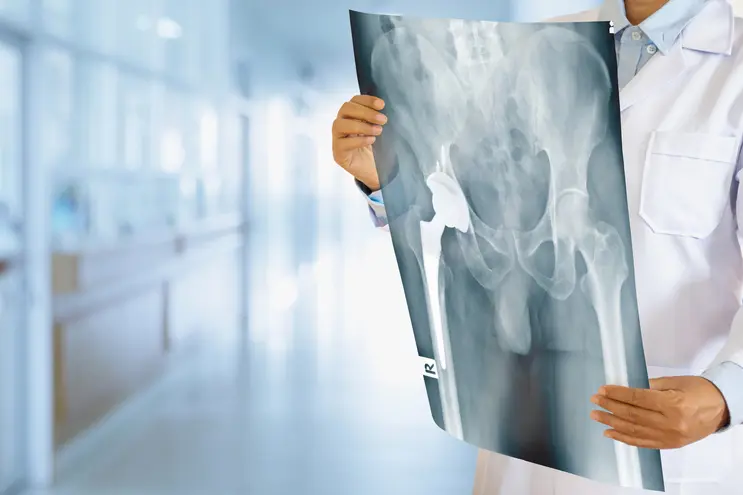
Understanding the Anatomy: Hips vs. Flanks vs. Outer Thighs
When planning for Hip Liposuction Surgery patients often use different terms for the same area. However, surgeons view these as distinct anatomical zones:
- The Flanks (Love Handles): This is the area just above the hip bone extending toward the lower back. Fat here often spills over the waistband of pants.
- The Hips: Technically this refers to the side of the pelvis. Liposuction here helps create a streamlined transition from the torso to the legs.
- The Outer Thighs (Saddlebags): This is the area below the hip joint. While separate, surgeons often treat the hips and outer thighs together to ensure a balanced look.
- The Hip Dip Factor: Some patients have a natural indentation between their hip bone and thigh bone hip dips. Liposuction can sometimes make these more prominent; in these cases, your surgeon might suggest transferring the removed fat into the dips to create a perfectly rounded hourglass shape.
Ideal Candidates for Hip Liposuction
Not everyone is a perfect candidate for Hip Liposuction Surgery. The best results are usually seen in individuals who meet the following criteria:
- Stable Weight: You should be at or near your goal weight. Liposuction is meant to treat resistant fat not obesity.
- Good Skin Elasticity: For the best result, your skin needs to snap back over the new slimmer contours. If the skin is very loose a lift may be required.
- Localized Fat Deposits: You have specific areas of fat that are out of proportion with the rest of your body.
- Realistic Expectations: Understanding that surgery improves your shape but cannot provide perfection or change your underlying bone structure.
Modern Surgical Techniques
Advancements in technology have made Hip Liposuction Surgery safer and more precise than ever. Here is a breakdown of the most common techniques:
Technique | How it Works | Main Benefit |
|---|---|---|
Tumescent | Uses a saline solution with lidocaine to numb the area and shrink blood vessels. | Minimizes bleeding and bruising. |
VASER | Uses ultrasound energy to break up fat cells before removal. | Gentler on connective tissue; excellent for "fibrous" hip fat. |
SmartLipo | Uses laser energy to liquefy fat and stimulate collagen. | Provides a subtle skin-tightening effect. |
Power-Assisted (PAL) | Uses a vibrating cannula (tube) to loosen fat cells. | Faster procedure and more precision for the surgeon. |
The Surgical Procedure: Step-by-Step
Knowing what happens on the day of your Hip Liposuction Surgery can help ease any anxiety.
- Pre-Operative Marking: While you are standing, the surgeon will draw a map on your hips to identify the exact areas for fat removal.
- Anesthesia: Depending on the extent of the surgery, you will receive either local anesthesia numbing the area or general anesthesia sleeping through the procedure.
- Incision Placement: Small, 3-5mm incisions are made. These are strategically hidden in the bikini line or natural skin folds.
- Fat Extraction: The surgeon inserts a thin tube cannula and moves it back and forth to vacuum out the fat cells while sculpting the area.
- Closing and Compression: The incisions are closed with a single stitch or left to drain naturally. A medical-grade compression garment is then placed over the area to reduce swelling.
Recovery Timeline and Aftercare
Recovery from Hip Liposuction Surgery is generally quick, but patience is key to seeing the final results.
- The First 48 Hours: You may experience some fluid drainage from the incisions. This is normal. You will feel a sensation similar to muscle soreness after a heavy workout.
- Week 1-2: Most patients return to office work within 3 to 5 days. You must wear your compression garment 24/7 during this time to help your skin adhere to the new contour.
- Week 3-6: Swelling begins to subside significantly. You can usually resume light exercise, such as walking or cycling.
- Long-Term Results: Final results are typically visible after 3 to 6 months when all internal inflammation has healed.
- Professional Tip: Many experts recommend Lymphatic Drainage Massage starting about a week after surgery. This specialized massage helps move fluid out of the tissues and speeds up the disappearance of lumps and bumps.
Potential Risks and Safety Considerations
Every surgery carries some risk. Common side effects of hip liposuction include temporary bruising, swelling, and numbness. While rare, more serious complications can include:
- Contour irregularities (unevenness).
- Fluid accumulation (seromas).
- Infection at the incision site.
Global Cost Comparison: Why South Korea Leads

When considering the cost of Hip Liposuction Surgery, many patients look abroad to find a balance between high-quality care and affordability.
South Korea has earned its reputation as the Plastic Surgery Capital of the World. It offers a unique value proposition: the world’s most experienced surgeons and the most advanced technology like VASER and PAL at a fraction of the price found in the other countries. Furthermore, South Korean clinics are famous for their comprehensive aftercare, which includes deswelling treatments and laser therapies to ensure the best possible scar healing.
Average Cost Comparison Table
Country | Estimated Cost (USD) | What's Included |
|---|---|---|
South Korea | $2,000 – $4,500 | Premium Technology, Specialized Aftercare, High-End Facilities |
United States | $5,000 – $9,000 | Surgeon fee only (facility and anesthesia are often extra) |
United Kingdom | $4,500 – $8,500 | Standard surgical and hospital fees |
Australia | $6,000 – $10,000 | Comprehensive private hospital fees |
Beyond Liposuction: Complementary Procedures
Sometimes, removing fat is only half the battle. To achieve an ideal hourglass figure, you might consider:
- Fat Grafting: Taking the fat removed from your hips and injecting it into your buttocks (BBL) or hip dips for a more rounded look.
- Reunions (J-Plasma): A skin-tightening technology used during liposuction for patients who have slightly loose skin but aren't ready for a full lift.
Essential Questions to Ask Your Surgeon
Before booking your Hip Liposuction Surgery, ensure you are in good hands by asking:
- How many hip-specific procedures do you perform each month?
- Which technique (VASER, PAL, or Tumescent) is best for my body type?
- Can I see Before & After photos of patients with a similar frame to mine?
- What is your policy for touch-ups if the result is asymmetrical?
Frequently Asked Questions
1. Will the Fat Come Back After Hip Liposuction?
No, the removed fat cells are gone forever. However, if you gain a significant amount of weight, the remaining fat cells in that area and other parts of your body can still expand.
2. How Long do I have to Wear the Compression Garment?
Most patients wear the garment 24/7 for the first 3 to 4 weeks, then switch to part-time (12 hours a day) for another 2 weeks to ensure smooth healing.
3. When can I See my Final Results?
While you will notice a change immediately, your final silhouette usually peaks between 3 to 6 months once the deep tissue swelling has fully resolved.
4. Are the Scars Visible?
The incisions are tiny roughly the size of a freckle and are placed in hidden areas like the bikini line. They typically fade to thin, nearly invisible white lines over time.
5. Is Hip Liposuction Painful?
Most patients describe the feeling as deep muscle soreness rather than sharp pain. This is easily managed with standard pain medication for the first few days.
Articles
Evidence-based surgical guides, clinical insights, and recovery resources from Dite Plastic Surgery.

The Top 5 Benefits of Hip Implant Surgery
"Discover the top 5 benefits of hip implant surgery, from pain relief to improved mobility. Learn how it can enhance your quality of life today!"
Learn More

The Risks and Benefits of Hip Revision Surgery Explained
Discover the risks and benefits of hip revision surgery, from recovery to outcomes, to make informed decisions. Learn more today!
Learn More

Why Abdominal Surgery Is the Ultimate Solution for Stubborn Belly Fat
Discover why abdominal surgery is the best solution for stubborn belly fat. Learn benefits, risks & results to achieve your dream body today!
Learn More