Specialized Breast & Body Contouring Center in Seoul · Dedicated 1:1 International Patient Concierge

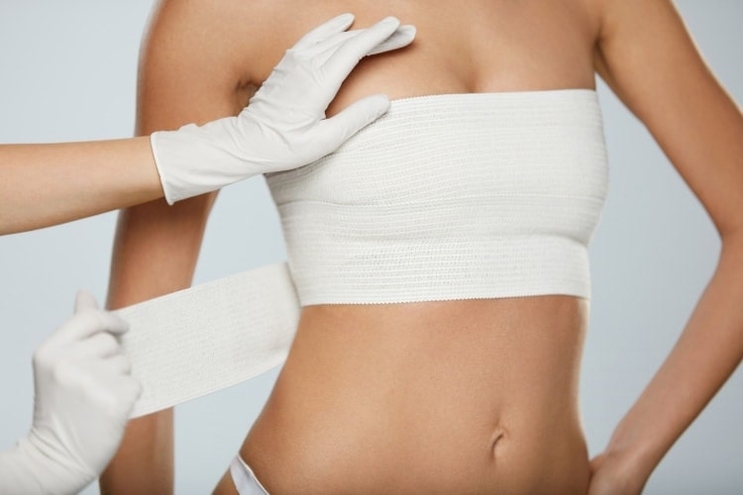
Articles
How Long Does It Take to Recover from a Breast Lift After Sagging?
Discover how long it takes to recover from a breast lift after sagging, what to expect during healing, and tips for a smooth recovery. Learn more now!
Schedule a ConsultationHow Long Does It Take to Recover from a Breast Lift After Sagging?
A breast lift, or mastopexy, is a transformative procedure that helps restore a more youthful, elevated breast contour—often after significant sagging due to aging, pregnancy, weight fluctuations, or genetics. While the aesthetic improvements can be profound, the recovery journey is just as important to understand as the surgery itself.
At Dite Plastic Surgery in Seoul's renowned Gangnam medical district, we frequently guide patients through the nuanced stages of breast lift recovery. Our goal is to ensure not only a safe healing process but also a graceful, lasting result. So, how long does it actually take to recover from a breast lift? The answer is layered—just like the healing process itself.
The First 7 Days: Post-Op Awareness and Support
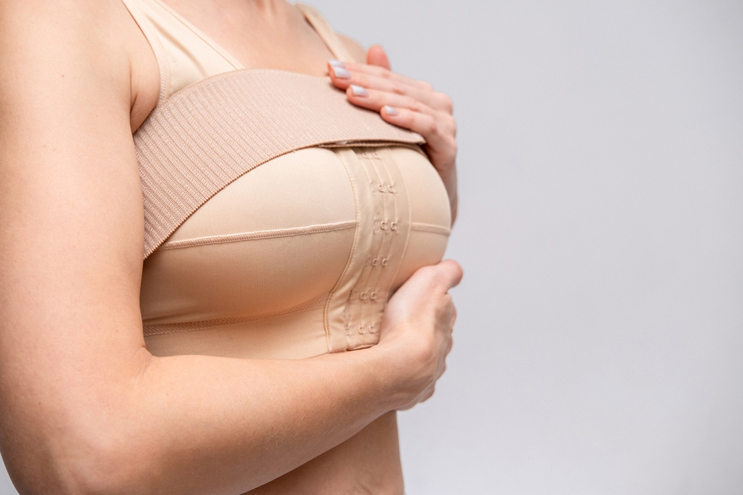
The first week following a breast lift is often the most delicate. Your body is adjusting to the reshaped tissue and incisions, and swelling is at its peak. During this time, it's normal to experience tightness, mild to moderate pain, and bruising around the chest.
Many patients describe the sensation as pressure or fullness rather than sharp pain. At Dite, we manage this early discomfort with targeted medications and cooling protocols that reduce inflammation without compromising circulation.
This is also when you’ll start wearing your surgical support bra, which is vital. Not just for comfort—it helps maintain the new breast position and supports the skin as it starts to re-drape.
Patients are advised to sleep on their back, ideally with their torso elevated by a few pillows. This simple posture adjustment reduces fluid accumulation and protects incision lines from excess tension.
If you’re feeling overwhelmed at this stage, you’re not alone. Emotional fluctuations are common after aesthetic surgery, especially when the physical healing is so visible. Knowing this is temporary—and that your body is doing exactly what it needs to—can provide reassurance.
Weeks 2–3: Transitioning into Early Healing
By the second week, most patients report a significant decrease in discomfort. Bruising starts to fade, and swelling begins to resolve, although it won’t be gone entirely. You’ll likely start feeling more mobile and may return to light daily activities such as desk work or gentle walking.
However, your healing tissues are still fragile. That means avoiding any upper body strain—no lifting groceries, no gym workouts, and definitely no arm-raising above shoulder level.
At this stage, we also begin evaluating scar formation. Dite Plastic Surgery uses premium suture techniques and post-op laser protocols to minimize visible scarring. Starting early with topical scar care—once approved by your surgeon—can make a real difference in long-term results.
What many patients don’t realize is that even though they “feel better,” their internal healing is far from finished. Your skin and connective tissue are still organizing collagen, and the breast shape continues to settle. Think of it like a sculpture that needs time to set.
Weeks 4–6: Returning to Routine, Cautiously
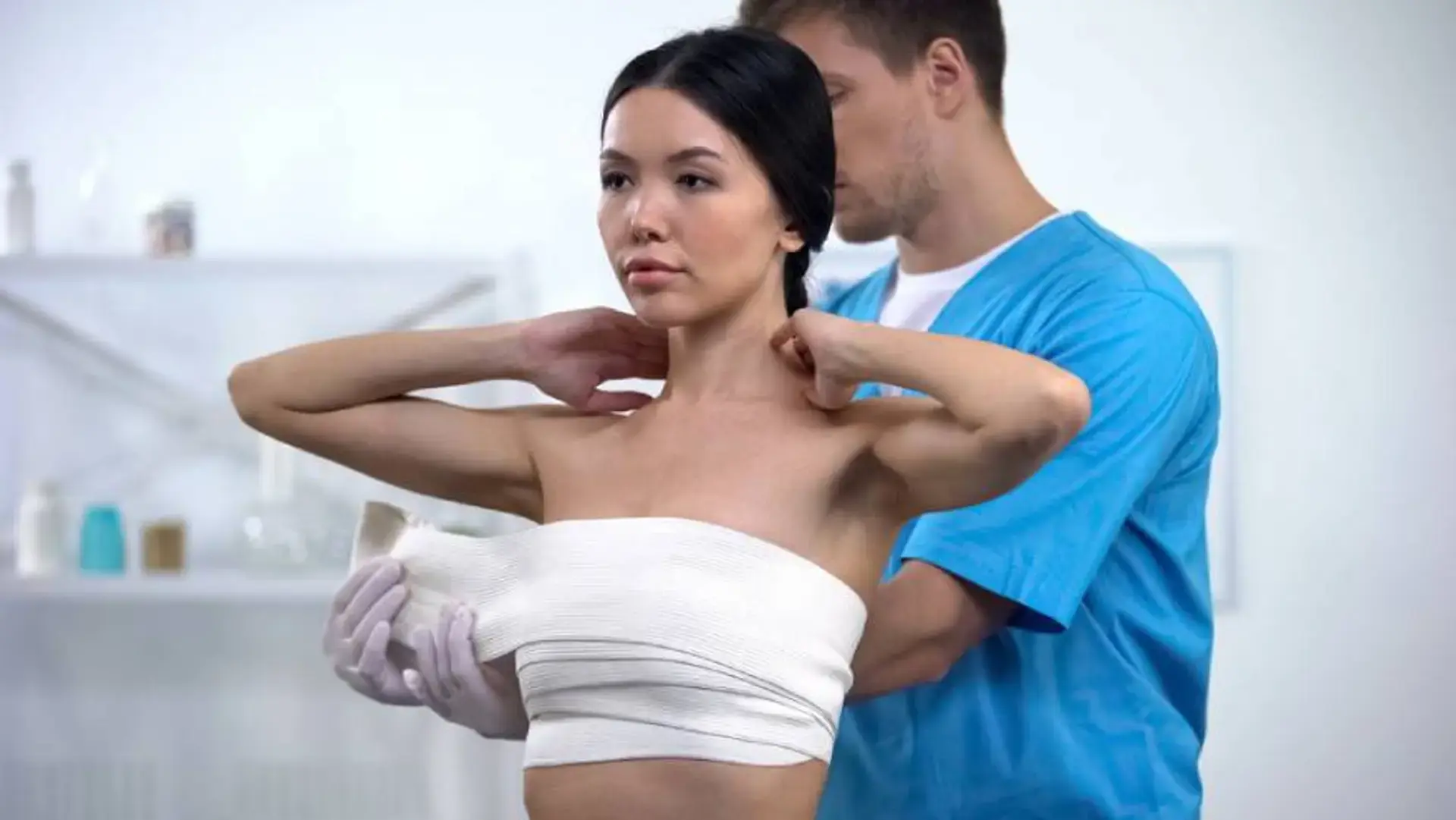
By the one-month mark, most patients are eager to resume normal life. Fortunately, this is when you can gradually begin reintroducing moderate physical activity, including lower-body exercises or brisk walking. You’ll still need to avoid high-impact movements and upper-body strength training until cleared by your surgeon.
You may also be able to transition to a softer, non-underwire support bra, depending on how your incisions have healed. At Dite, we assess this during your follow-up visits, adjusting support garments based on your unique healing pace and tissue response.
Swelling should be substantially reduced at this point, although subtle puffiness may persist, particularly around the lower breast. Scar lines may appear red or firm—this is normal and temporary. With proper care and protection from sun exposure, scars will fade and flatten over the coming months.
Months 2–3: Confidence Returns
Around the second or third month, many patients begin to truly enjoy their new silhouette. Clothes fit differently, posture often improves, and the emotional benefits start to match the physical ones.
This is also when the breasts begin to "settle"—a process where they drop into a more natural shape and soften in feel. Early on, the lifted breasts can appear too high or firm. As internal swelling resolves and tissue elasticity returns, the final contour takes shape.
At Dite, we see many patients return at this stage for adjunct treatments like radiofrequency skin tightening or scar refinement—offering that extra polish to already excellent results.
Importantly, while most activities can be resumed by this time, maintaining good habits—such as wearing supportive bras and avoiding rapid weight changes—can protect and prolong your surgical results.
Months 4–6 and Beyond: Long-Term Healing and Refinement
By the four- to six-month point, the vast majority of healing is complete. Scars become lighter and more flexible, and the final breast position stabilizes. Some patients will notice small residual areas of firmness or asymmetry, which typically resolve naturally.
However, breast lift recovery doesn’t have a strict finish line. Your tissue quality, lifestyle, and genetics all play a role in how long your results will last. Pregnancy, weight gain, and the natural aging process will continue to influence your breast shape over time.
That said, many patients enjoy their new contour for a decade or more—especially when the lift is paired with high-frequency contouring or supportive implant use.
Realistic Expectations: Healing Is Not Linear
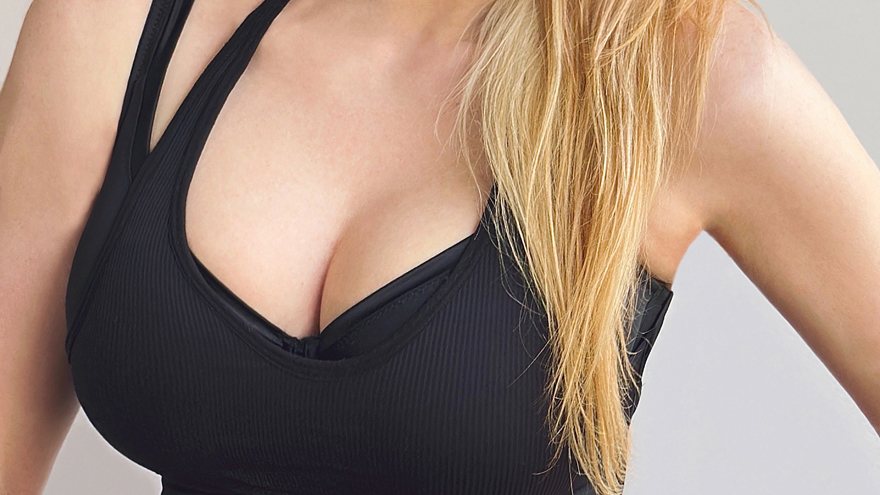
One key insight from years of experience: healing is not a straight line. Some days you’ll feel fully recovered, while others may bring minor setbacks like soreness or swelling. This variability is normal.
Many women also experience what’s called “post-op blues”—a temporary emotional dip that can happen after surgery, often during the quiet middle weeks of recovery. It’s not a sign that something’s wrong. It’s your body recalibrating after physical trauma and hormonal shifts.
At Dite, we encourage patients to stay in close contact during this phase. Small concerns—like scar texture or breast firmness—can often be addressed with simple reassurance or minor treatments.
How Dite Plastic Surgery Enhances the Recovery Experience
Recovery isn’t just about time—it’s about quality of healing. That’s why our post-op care at Dite Plastic Surgery is so thorough. We tailor your follow-up schedule based on your procedure, body type, and healing response.
We also offer:
- Laser-assisted scar modulation
- Lymphatic drainage massage for post-op swelling
- Nutritional guidance for skin repair
- High-frequency technology to firm and contour
Dr. Jun Wook Lee’s expertise, backed by over 20 years of surgical practice and advanced training in the U.S., ensures that each patient receives refined, medically grounded care throughout recovery.
Final Thoughts: Listen to Your Body, Trust the Process
So how long does it take to recover from a breast lift after sagging? The most intensive phase lasts about 6 weeks, but full maturation of results often takes up to 6 months or more. That said, many patients start feeling emotionally and physically confident much sooner—often by the second month.
If you’re considering a breast lift, recovery shouldn’t be a source of fear. With proper guidance, smart planning, and a clinic that prioritizes personalized care, the journey can be smooth, empowering, and deeply rewarding.
If you're thinking about reshaping your silhouette, schedule a consultation with Dr. Jun Wook Lee at Dite Plastic Surgery. Together, we can design a recovery and aesthetic plan tailored to your goals and lifestyle.
Articles
Evidence-based surgical guides, clinical insights, and recovery resources from Dite Plastic Surgery.
The Top 5 Benefits of Hip Implant Surgery
"Discover the top 5 benefits of hip implant surgery, from pain relief to improved mobility. Learn how it can enhance your quality of life today!"
Learn More
The Risks and Benefits of Hip Revision Surgery Explained
Discover the risks and benefits of hip revision surgery, from recovery to outcomes, to make informed decisions. Learn more today!
Learn More

Why Abdominal Surgery Is the Ultimate Solution for Stubborn Belly Fat
Discover why abdominal surgery is the best solution for stubborn belly fat. Learn benefits, risks & results to achieve your dream body today!
Learn More