Specialized Breast & Body Contouring Center in Seoul · Dedicated 1:1 International Patient Concierge

Articles
How to Avoid Common Mistakes After Abdominal Surgery
Avoid setbacks after abdominal surgery with expert tips on recovery and common mistakes to avoid. Stay safe and heal faster—read the full guide now!
Schedule a ConsultationHow to Avoid Common Mistakes After Abdominal Surgery
For patients who’ve just undergone abdominal surgery — whether it’s liposuction, tummy tuck (abdominoplasty), or body contouring — recovery often feels like entering a new chapter without a clear map. You may be thrilled with the idea of a flatter waistline or sculpted silhouette, but what many don’t realize is that the real outcome depends just as much on what you do after surgery as what happens in the operating room.
At Dite Plastic Surgery in Gangnam, we’ve worked with thousands of patients — both local and international — seeking abdominal reshaping. And while each patient is unique, we’ve seen certain post-operative patterns that either accelerate healing or quietly sabotage results. Knowing how to avoid the most common missteps can protect your investment and help your body recover with elegance and precision.
Here’s what every patient should understand about post-abdominal surgery care — and how to get it right.
Mistake #1: Underestimating the Importance of Compression
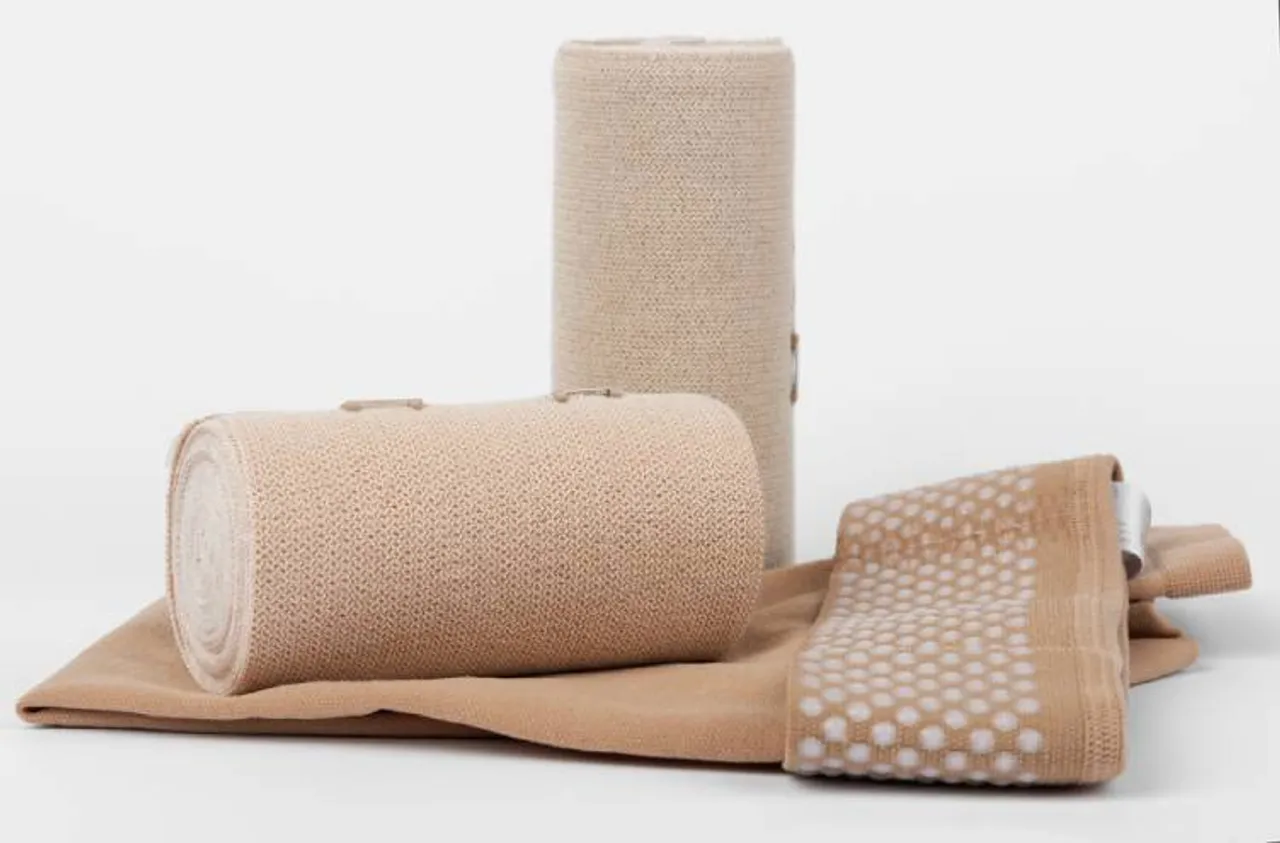
One of the first things we emphasize at Dite is this: compression garments are not optional. They are a medical tool, not a fashion inconvenience.
After procedures like liposuction or tummy tuck, your body undergoes tissue remodeling. That means swelling, lymphatic fluid movement, and skin readjustment. A well-fitted compression garment supports all three. It helps reduce inflammation, promotes skin adherence to the new contours, and lowers the risk of seromas (fluid accumulation).
What patients often get wrong:
- Wearing garments inconsistently
- Switching to looser shapewear too early
- Removing them for long periods, especially in the first 2–3 weeks
At Dite, we custom-fit compression based on surgical detail and body type. We often use high-frequency therapy or LPG (lipomassage) in tandem with compression to enhance circulation and reduce fibrosis — a nuance that makes a major difference in final results.
Mistake #2: Returning to Normal Activities Too Soon
Many patients in Seoul — especially professionals or parents — feel pressure to “bounce back” fast. But internal healing doesn’t follow social schedules. You may look better before your body is truly ready.
With abdominal surgery, core muscles are often involved or repositioned. Even in non-muscle surgeries like liposuction, your core stability is temporarily compromised. Returning to work, driving, or lifting too early can stretch healing tissue, worsen bruising, or even cause complications like wound separation.
A better approach:
- Prioritize the first 10–14 days for rest and guided mobility.
- Let your surgeon assess readiness for each stage — walking, stretching, driving, etc.
- Don’t rely on online timelines. Let your body and your surgery type determine your pace.
At Dite, our post-op plans include daily milestones tailored to each patient — often with in-clinic monitoring to support early mobilization without strain.
Mistake #3: Ignoring Scar Care Until It’s Too Late
Scarring is one of the top long-term concerns after abdominal procedures, especially in East Asian patients who may be prone to hyperpigmentation or keloid formation. What many don’t realize is that scar management must begin before the scar has fully formed.
Most mistakes happen during the “silent” phase — around weeks 3 to 8 — when the incision looks closed but the deeper tissue is still reorganizing. During this phase, friction, sun exposure, or skipping silicone therapy can turn a thin line into a thickened, discolored mark.
Best practices we teach at Dite:
- Begin gentle scar massage once cleared by your surgeon (usually around 3 weeks)
- Apply silicone gel or sheets consistently for at least 3 months
- Avoid UV exposure on the scar, even through clothing
- Use LED or fractional laser therapy (available in our recovery suite) to fade early discoloration
At our clinic, we often start “proactive scar treatment” protocols — including Korean-made bio-peptide creams — before stitches are even removed.
Mistake #4: Over-Restricting or Ignoring Nutrition

It’s common to see post-op patients either over-restrict calories or throw nutrition out the window. Both are harmful.
In body surgeries, especially liposuction or tummy tucks, you may feel a strong emotional urge to maintain your new shape. But drastic calorie-cutting can slow wound healing and trigger fatigue or lightheadedness — increasing the risk of falls or fainting.
On the other hand, patients who feel “recovered” after the first week sometimes resume inflammatory diets — too much salt, alcohol, or processed food — which worsens swelling and delays skin tightening.
What we advise:
- Eat for recovery, not restriction: high-protein, hydrating, anti-inflammatory meals
- Limit sodium and processed carbs to reduce fluid retention
- Incorporate vitamin C, zinc, and collagen-rich foods to support tissue repair
At Dite, we even collaborate with local nutritionists when needed — especially for overseas patients staying in Korea for recovery. Healing is holistic.
Mistake #5: Assuming All Swelling Means “Something’s Wrong”
Post-op swelling has a personality of its own. It’s unpredictable, uneven, and often emotionally frustrating — especially in procedures that target body contour.
What many patients don’t expect is that swelling fluctuates daily, and can even worsen temporarily around days 5–10. In some cases, certain areas appear lumpy or asymmetrical. This doesn’t mean the surgery failed. It means your lymphatic system is still recalibrating.
How we guide patients:
- Expect “ugly duckling” phases in the first month — patience is key
- Use guided manual lymphatic drainage (MLD) to speed up de-puffing
- Monitor your sodium intake and stay well-hydrated
- Track swelling patterns, not just feelings
In our Gangnam clinic, patients often receive post-op high-frequency treatment, designed to accelerate lymph flow and reduce stubborn swelling — especially in the lower abdomen and flanks. These tools help refine results faster and avoid unnecessary worry.
Mistake #6: Neglecting the Mind–Body Connection

What few guides mention is the emotional toll that follows body surgery. You’ve changed your shape — often dramatically — and while the intention was to feel better, some patients experience an identity lag or anxiety in early recovery.
This is especially common in patients who:
- Undergo major contouring (e.g., liposuction + abdominoplasty)
- Feel isolated in their recovery
- Are sensitive to fluctuations in self-image
At Dite, we encourage patients to treat recovery as a psychological adjustment too. This means:
- Giving yourself permission to feel uncertain at first
- Talking with your surgeon or care team about your expectations
- Staying off social media comparisons during your most vulnerable weeks
Healing isn’t just about scars and stitches — it’s about harmony with your evolving form.
How Dite Plastic Surgery Supports Recovery Excellence
Every body surgery we perform at Dite Plastic Surgery comes with a post-op recovery system grounded in decades of experience and real-time body analysis. Led by Dr. Jun Wook Lee — a surgeon trained in advanced body reconstruction techniques at MD Anderson Cancer Center — our approach is personalized and holistic.
What sets our clinic apart:
- Tailored compression regimens based on 3D planning
- In-house lymphatic drainage, radiofrequency, and scar fading therapies
- Private recovery rooms for international patients
- Transparent, long-term follow-up with honest expectations
Whether it’s a slim-line liposuction case or a full abdominal reshaping, we see recovery as the second half of your procedure — and we guide you through it, step by step.
Final Thought: Choose Surgical Care That Extends Beyond the OR
If you’re preparing for abdominal surgery — or recovering from one — the most valuable decision isn’t just the surgeon you choose, but the support system around that surgery. Mistakes happen not from lack of effort, but from lack of preparation, guidance, and nuance.
At Dite Plastic Surgery, our patients don’t go through recovery alone. We map every phase, address the physical and emotional fluctuations, and optimize each factor that shapes your final result.
If you’re planning a body transformation, don’t leave recovery to guesswork. A personalized consultation with Dr. Jun Wook Lee and our recovery specialists can give you a clear, confident roadmap — from first stitch to final silhouette.
Articles
Evidence-based surgical guides, clinical insights, and recovery resources from Dite Plastic Surgery.

The Top 5 Benefits of Hip Implant Surgery
"Discover the top 5 benefits of hip implant surgery, from pain relief to improved mobility. Learn how it can enhance your quality of life today!"
Learn More

The Risks and Benefits of Hip Revision Surgery Explained
Discover the risks and benefits of hip revision surgery, from recovery to outcomes, to make informed decisions. Learn more today!
Learn More

Why Abdominal Surgery Is the Ultimate Solution for Stubborn Belly Fat
Discover why abdominal surgery is the best solution for stubborn belly fat. Learn benefits, risks & results to achieve your dream body today!
Learn More