Specialized Breast & Body Contouring Center in Seoul · Dedicated 1:1 International Patient Concierge


Articles
Hybrid Hip Surgery: A Comprehensive Guide to Sculpted, Natural Results
Discover the benefits of hybrid hip surgery, combining fat grafting and implants for enhanced, natural results. Learn about recovery, risks, and long-term outcomes.
Schedule a ConsultationIntroduction: The Rising Demand for Hip Aesthetic Surgery
In recent years, hip enhancement surgery has seen a significant rise in popularity, driven by the desire to achieve more balanced, curvaceous body proportions. What was once a niche procedure, often overshadowed by breast augmentation or liposuction, has now become a central focus for individuals seeking the “hourglass” silhouette. The growing popularity of body positivity and self-expression, especially on social media, has fueled this trend, with an increasing number of patients opting for hip contouring to enhance their figures.
While lifestyle changes like diet and exercise can contribute to body shaping, some individuals face anatomical limitations—such as narrow hips or flat contours—that may require surgical intervention. For those seeking to augment their hips, hybrid hip surgery has become a groundbreaking procedure. Combining fat grafting and silicone implants, hybrid hip surgery offers a personalized approach that enhances both the volume and shape of the hips, providing a natural yet dramatic transformation.
Understanding Hybrid Hip Surgery
Hybrid hip surgery is an advanced procedure that combines the benefits of two established techniques: fat grafting (also known as autologous fat transfer) and silicone implants. This combination provides patients with the advantages of both methods—structural support and enhanced volume from the implants, alongside the natural, organic feel and aesthetic refinement that fat grafting offers.
The procedure begins with liposuction, where fat is harvested from donor areas, such as the abdomen or thighs. The fat is then purified and strategically injected into the hip area to enhance the contour and smooth transitions. This technique not only improves the volume of the hips but also creates a more seamless connection between the implant and natural tissue. Following fat grafting, a custom-sized silicone implant is carefully inserted beneath the muscle or fascia to provide additional volume and structural support.
One of the main benefits of hybrid hip surgery is the flexibility it offers. Surgeons can tailor the procedure to the patient’s specific anatomy and aesthetic goals. For example, a patient with limited fat availability may benefit from larger implants combined with a smaller amount of fat grafting, while someone with excess fat may see a more prominent result from fat transfer alone.
The Science Behind Hybrid Hip Surgery
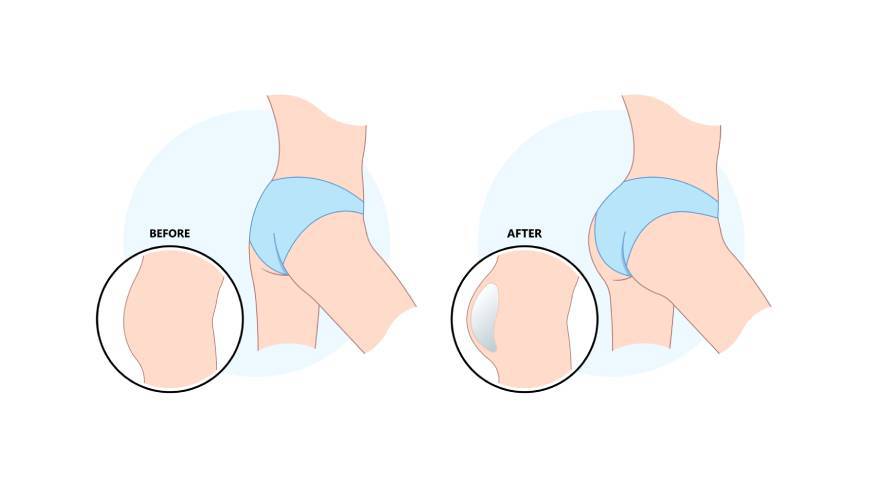
To fully understand the advantages of hybrid hip surgery, it is important to dive into the specifics of each component. Fat grafting involves harvesting fat from areas of the body with excess tissue, which is purified and reintroduced into the hip area. This method utilizes the patient’s own body fat, which significantly reduces the risk of complications associated with foreign materials. However, fat survival rates can vary, and a significant amount of the fat may be absorbed by the body over time. This is where the implants play a crucial role.
Silicone implants are used to provide lasting structural support. Unlike fat, which can be reabsorbed, implants maintain their shape and volume for many years. This provides patients with a more reliable, long-term enhancement. The combination of fat and implants offers the best of both worlds—natural softness and smoothness from the fat, alongside the firm, long-lasting volume from the implants.
Technical Considerations and Long-Term Benefits

The unique combination of fat and implants allows for greater precision in shaping the hips, which can be especially important for patients seeking natural-looking results. Surgeons use advanced imaging technology, such as 3D modeling, to plan the procedure and predict the outcome. This allows for accurate placement of both the fat grafts and implants, ensuring the final result is as harmonious and balanced as possible.
One of the main benefits of hybrid hip surgery over traditional methods is its adaptability. Traditional fat grafting can result in uneven fat resorption, leading to potential loss of volume over time. Implants, on the other hand, may create a more rigid appearance, particularly in lean patients with limited soft tissue. By combining both techniques, hybrid hip surgery ensures that patients enjoy both the smoothness of fat and the reliable volume from implants, minimizing the likelihood of needing touch-up surgeries.
Dr. Jun Wook Lee and his team at Dite Plastic Surgery utilize the latest advancements in ultrasound-guided fat grafting and high-resolution imaging to optimize fat placement and implant positioning. This technology allows for precise control over the procedure, reducing the risk of complications such as fat necrosis or implant displacement.
Patient-Centered Approach: Case Studies and Real-World Outcomes
One of the key elements that differentiates hybrid hip surgery from traditional methods is its personalized approach. Surgeons can carefully evaluate a patient’s unique anatomical structure, including muscle tone, skin elasticity, and fat availability, to develop a tailored surgical plan. This ensures that the procedure not only meets the patient's aesthetic goals but also enhances the overall harmony of their body proportions.
For example, a patient with a naturally narrow waist may opt for a combination of fat grafting to soften the contour of the hips, while someone with more significant fat stores might benefit from a more implant-dominant approach. Through this customized planning process, patients achieve results that are both visually pleasing and functional, with a focus on long-term satisfaction.
Recovery Process and Post-Operative Care
While the hybrid hip procedure is relatively minimally invasive, recovery does require some care. Patients typically experience mild swelling and bruising, which usually subsides within the first few weeks. Compression garments are worn for several weeks to reduce swelling and support the healing process.
Dr. Jun Wook Lee emphasizes the importance of post-operative care in ensuring optimal recovery. At Dite Plastic Surgery, patients benefit from an advanced recovery system that includes lymphatic massage, LED light therapy, and high-frequency post-op treatments. These therapies promote healing, reduce inflammation, and help maintain fat retention during the early stages of recovery.
Most patients can resume light activities within 1-2 weeks, with full recovery typically achieved within 4-6 weeks. Final results are visible within 3 to 6 months, at which point patients can fully appreciate the transformation in their hip contour.
Risks and Success Rates: What to Expect
As with any surgery, hybrid hip surgery carries certain risks. These include potential complications related to fat grafting (such as fat necrosis or absorption) and implant-related issues (such as displacement or capsular contracture). However, these risks are significantly minimized through careful surgical planning and advanced technology.
According to clinical data from Dite Plastic Surgery, the success rate for hybrid hip surgery is high, with patients reporting long-lasting results and high levels of satisfaction. The combination of fat and implants results in hips that are not only fuller but also more natural-looking, with patients typically retaining their results for several years.
Conclusion: Hybrid Hip Surgery as the Future of Body Contouring
Hybrid hip surgery represents a major advancement in body contouring, combining the benefits of fat grafting and silicone implants to provide patients with a natural, sculpted appearance. The personalized approach to each patient’s body structure and goals ensures that the results are tailored to meet individual needs, creating a harmonious balance that enhances overall body proportions.
While traditional methods may offer volume or smoothness, hybrid hip surgery combines both, providing patients with more predictable, long-lasting results. If you're considering a body contouring procedure that offers enhanced curves with a natural, seamless look, hybrid hip surgery is an option worth exploring.
Articles
Evidence-based surgical guides, clinical insights, and recovery resources from Dite Plastic Surgery.
The Top 5 Benefits of Hip Implant Surgery
"Discover the top 5 benefits of hip implant surgery, from pain relief to improved mobility. Learn how it can enhance your quality of life today!"
Learn More

The Risks and Benefits of Hip Revision Surgery Explained
Discover the risks and benefits of hip revision surgery, from recovery to outcomes, to make informed decisions. Learn more today!
Learn More

Why Abdominal Surgery Is the Ultimate Solution for Stubborn Belly Fat
Discover why abdominal surgery is the best solution for stubborn belly fat. Learn benefits, risks & results to achieve your dream body today!
Learn More