Specialized Breast & Body Contouring Center in Seoul · Dedicated 1:1 International Patient Concierge


Articles
Is Hip Implant Surgery Safe? Benefits, Risks, and What to Expect
Explore the safety, benefits, risks, and recovery of hip implant surgery. Get expert insights into choosing the right surgeon for your body contouring goals.
Schedule a ConsultationIntroduction to Hip Implant Surgery: A Growing Trend in Aesthetic Procedures

Hip implant surgery, also referred to as hip augmentation, is increasingly sought after by individuals looking to enhance the shape and contours of their hips. Unlike traditional hip replacement surgery, which is primarily performed for medical reasons, such as arthritis or joint degeneration, aesthetic hip implant surgery focuses on improving body proportions and creating a more balanced silhouette. Many patients choose this surgery to enhance their curves, improve their clothing fit, and boost their overall confidence.
Demand for hip augmentation has risen, particularly in countries like South Korea and the United States, where body contouring is integral to beauty ideals. This procedure offers a relatively safe, effective, and minimally invasive way to achieve fuller hips, allowing for a natural-looking enhancement with less downtime.
What is Hip Implant Surgery? The Procedure Explained
Hip implant surgery involves the insertion of silicone or other biocompatible implants beneath the skin and above the muscle to enhance the shape of the hips. The procedure typically lasts between 1 to 2 hours and can be performed under general anesthesia or sedation, depending on the patient's health and surgeon’s recommendation.
In many cases, surgeons opt for minimally invasive techniques, making small incisions to reduce scarring and shorten recovery time. Implants are available in various sizes and shapes, enabling customized results tailored to each patient’s anatomy and desired aesthetic goals.
Is Hip Implant Surgery Safe? Insights from Experts
When performed by a qualified, experienced surgeon, hip implant surgery is generally safe. Safety starts with a thorough pre-surgical evaluation, including a review of the patient’s medical history, physical examination, and necessary imaging. This ensures that the patient is a suitable candidate for the procedure.
Dr. Jun Wook Lee, a renowned plastic surgeon at Dite Plastic Surgery, explains, “The risk of complications is minimized when patients choose an experienced surgeon and follow recommended pre-operative guidelines. Advanced techniques and sterilization protocols significantly reduce risks such as infection or implant displacement.”
Risks and Potential Complications: What to Be Aware of
While hip implant surgery is generally safe, it carries some inherent risks, as with any surgical procedure. Common complications may include:
- Infection: Though uncommon, infections can occur, which may require additional treatment.
- Implant Shifting: Implants may move or become displaced, necessitating corrective surgery.
- Scarring: Despite the use of minimally invasive techniques, some scarring may be inevitable.
- Anesthesia Complications: As with any surgery requiring anesthesia, there is a small risk of allergic reactions or other complications, particularly in patients with underlying health conditions.
Long-term risks could include implant wear or rupture, though this is rare. Patients are advised to follow their surgeon’s post-operative instructions and attend follow-up appointments to ensure proper healing.
The Benefits of Hip Implant Surgery: Beyond Appearance
The benefits of hip implant surgery extend beyond aesthetic improvements. By enhancing the shape of the hips, the procedure creates a more balanced body silhouette, often improving overall body proportions. This can lead to a more flattering fit for clothing and greater comfort in daily activities.
Psychologically, many patients report improved self-esteem and confidence following surgery. Achieving a body shape that aligns with their ideal image can positively impact social interactions and personal well-being. For some, hip implants can complement other procedures, such as liposuction or tummy tucks, to achieve a more comprehensive body transformation.
Preparing for Hip Implant Surgery: What You Should Know
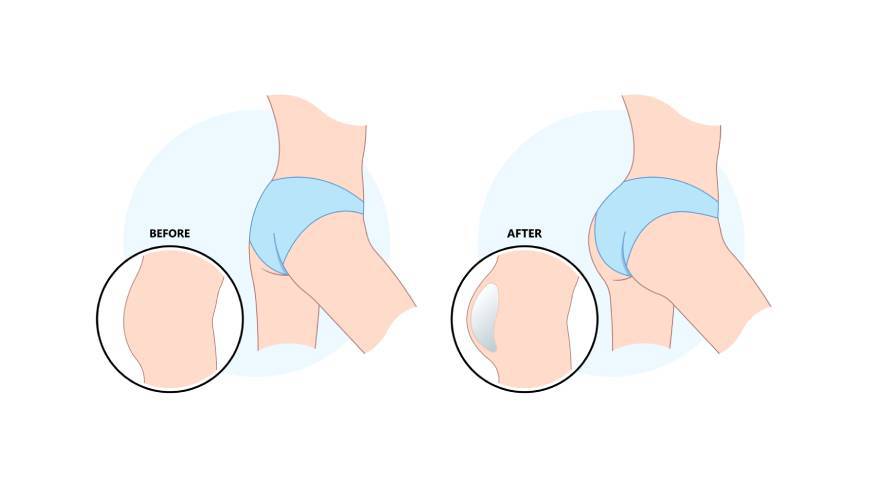
Proper preparation is essential for a successful hip implant surgery. Patients will undergo a thorough medical assessment to ensure they are in optimal health for the procedure. This includes discussing any medications, allergies, and existing health conditions.
Surgeons may recommend certain lifestyle changes, such as quitting smoking or avoiding blood-thinning medications, to reduce the risk of complications. A clear understanding of what to expect before, during, and after the surgery is essential. Expectations should be realistic, and the consultation process allows patients to ask questions and understand the full scope of the procedure.
The Recovery Process: What to Expect Post-Surgery
Recovery from hip implant surgery typically takes several weeks. In the immediate aftermath, patients may experience some swelling, bruising, and discomfort. Pain management is usually prescribed to ensure comfort during the healing process.
In the first two weeks, physical activity will be limited to allow the body to heal properly. After approximately 4 to 6 weeks, most patients can return to their usual daily activities, although they should avoid strenuous exercise and heavy lifting for at least 6 to 8 weeks.
Follow-up appointments with the surgeon are crucial to monitor recovery, address any concerns, and ensure the best possible outcome.
Results and Patient Satisfaction: Real-Life Insights
Patient satisfaction is high, with many individuals reporting noticeable improvements in their hip contours and overall body balance. Results vary based on factors like implant size, placement technique, and patient body type, but overall, hip implants provide a significant boost to body image and confidence.
Take the case of Laura, a 28-year-old patient who underwent hip augmentation. “The results were even better than I expected,” she shares. “I feel more confident in my clothes, and my self-esteem has skyrocketed. The recovery process was smooth, and I’m thrilled with the natural look.”
Technological Advancements in Hip Implant Surgery
Hip implant surgery has advanced significantly, with new technology improving both the procedure’s safety and its results. Modern implants are made from durable, biocompatible materials that mimic the natural feel and movement of the body. These advancements reduce the risk of allergic reactions and extend the longevity of the implants.
Surgical techniques have also evolved. For example, 3D imaging and computer-assisted planning allow surgeons to precisely map out implant placement, ensuring optimal results. Minimally invasive techniques further minimize scarring and reduce recovery times, enhancing patient satisfaction.
Choosing the Right Surgeon and Clinic for Hip Implant Surgery
Selecting a qualified, experienced surgeon is paramount to ensuring a successful hip implant procedure. It’s important to choose a board-certified plastic surgeon with extensive experience in hip augmentation, as well as a clinic with a reputation for high standards of care.
During the consultation, ask questions about the surgeon’s experience, the types of implants they recommend, and the specific techniques they use. The clinic should adhere to strict hygiene protocols, employ advanced technology, and offer comprehensive post-operative care.
Conclusion: Making a Safe, Informed Choice for Hip Implant Surgery
Hip implant surgery is a safe and effective procedure that can help you achieve your desired body shape. By selecting an experienced surgeon like Dr. Jun Wook Lee at Dite Plastic Surgery, you can ensure the best possible results. With the right preparation, understanding of the risks, and proper post-operative care, you can look forward to natural-looking results and enhanced confidence.
If you’re considering hip implant surgery, take the time to consult with experts, understand your options, and make a well-informed decision that prioritizes your safety and satisfaction.
Articles
Evidence-based surgical guides, clinical insights, and recovery resources from Dite Plastic Surgery.

The Top 5 Benefits of Hip Implant Surgery
"Discover the top 5 benefits of hip implant surgery, from pain relief to improved mobility. Learn how it can enhance your quality of life today!"
Learn More

The Risks and Benefits of Hip Revision Surgery Explained
Discover the risks and benefits of hip revision surgery, from recovery to outcomes, to make informed decisions. Learn more today!
Learn More

Why Abdominal Surgery Is the Ultimate Solution for Stubborn Belly Fat
Discover why abdominal surgery is the best solution for stubborn belly fat. Learn benefits, risks & results to achieve your dream body today!
Learn More