Specialized Breast & Body Contouring Center in Seoul · Dedicated 1:1 International Patient Concierge

Articles
Liposuction Recovery Guide: What to Expect After Surgery
Learn essential tips for a smooth liposuction recovery, from pain management to diet and exercise, ensuring long-lasting results.
Schedule a ConsultationLiposuction Recovery Guide: What to Expect After Surgery
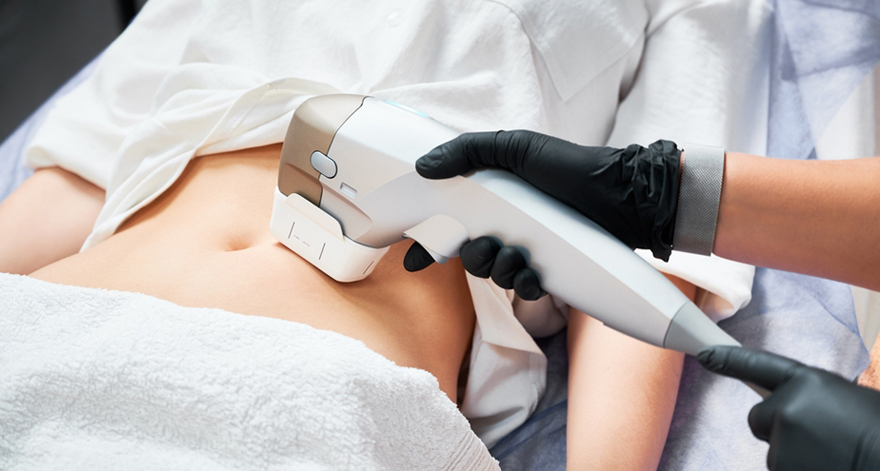
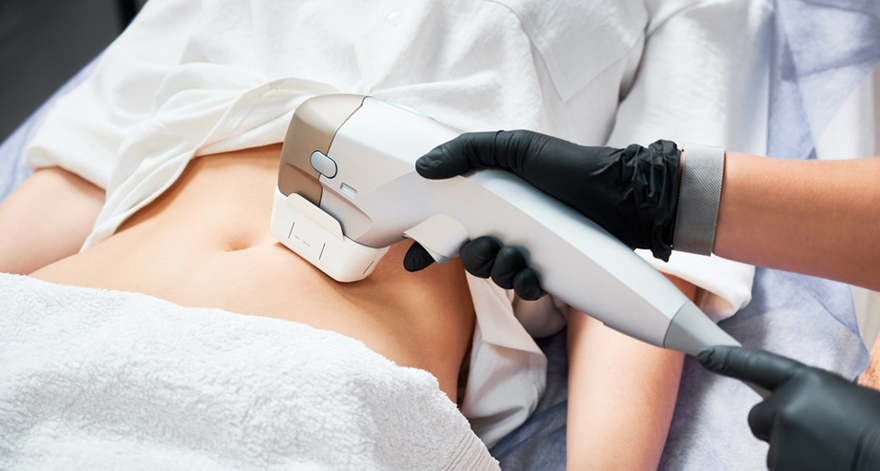
Liposuction is one of the most sought-after cosmetic procedures worldwide, helping individuals achieve a more contoured body by removing stubborn fat. While the surgery itself is often well understood, many patients find themselves uncertain about what comes after the procedure. Recovery plays a crucial role in achieving the desired results, and understanding the recovery process is essential for ensuring the best outcome.
In this article, we’ll walk you through the key aspects of liposuction recovery, from pain and swelling management to healing timelines and aftercare tips. By staying informed and following the right guidelines, you can optimize your recovery and look forward to a smoother, more sculpted appearance.
What to Expect in the First Few Days After Liposuction
The initial phase of recovery is vital. During the first few days after surgery, you may experience some discomfort, but it's important to remember that these symptoms are temporary and a normal part of the healing process.
Post-Operative Care Instructions
Immediately following the procedure, your surgeon will provide detailed instructions to help you recover comfortably. This will include recommendations for rest and limiting physical movement. You might feel groggy from anesthesia, and your body will be adjusting to the changes made during surgery. It's crucial to avoid any strenuous activities and maintain a position that reduces pressure on the treated areas.
Pain Management
Liposuction is generally not a highly painful procedure, but patients can expect mild to moderate discomfort, especially during the initial days. Prescribed medications will help manage pain, while over-the-counter options like ibuprofen or acetaminophen might also be suitable for milder discomfort. Always follow your surgeon's advice on pain relief.
Swelling and Bruising
Swelling and bruising are common following liposuction. Swelling typically peaks within the first 48-72 hours and will begin to subside gradually over the following weeks. Bruising may extend beyond the treated areas and will also fade over time. Wearing compression garments as directed and elevating the treated areas while resting can significantly reduce swelling.
Effective Ways to Manage Swelling and Bruising
While swelling and bruising are part of the healing process, there are effective methods to manage them.
Why Does Swelling Occur?
Swelling is a natural response to the trauma caused by the liposuction procedure, as the body works to heal the affected areas. Fat cells are broken up and removed, leading to fluid accumulation that causes swelling. This is a typical reaction and will gradually improve over time.
How Long Will Swelling Last?
For most patients, swelling is most noticeable during the first 1-2 weeks and may persist in smaller amounts for up to 6 weeks. The full reduction in swelling can take several months, and the final results will become more apparent as your body continues to heal.
Strategies to Reduce Swelling
- Elevation: Keeping the treated areas elevated when resting promotes fluid drainage and helps reduce swelling.
- Cold Compresses: Applying ice wrapped in a cloth during the first 48 hours can help reduce swelling by constricting blood vessels.
- Compression Garments: Consistent use of compression garments is essential for minimizing swelling and supporting skin retraction during recovery.
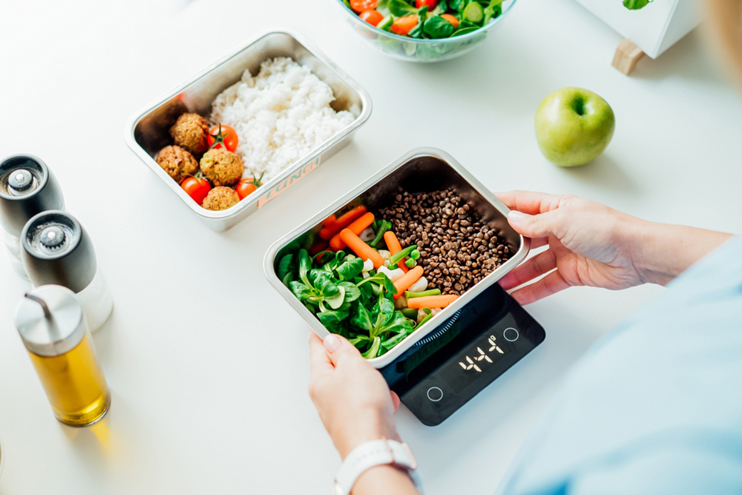
- Hydration and Diet: Drinking plenty of water and eating anti-inflammatory foods, such as leafy greens, can aid in reducing swelling.
When to Seek Help
While swelling and bruising are normal, seek medical attention if you experience severe pain, changes in skin color, or signs of infection, such as fever or unusual discharge from the incisions.
Pain and Discomfort: Managing Expectations
Most patients report mild soreness following liposuction, which usually improves over time.
Typical Pain After Liposuction
During the first few days, you may feel sore, tender, or achy, particularly in the treated areas. The pain is typically mild and described as similar to the soreness felt after an intense workout. It can be controlled with prescribed medications or over-the-counter pain relievers.
Additional Pain Management Strategies
Along with prescribed medications, these non-pharmacological methods may help:
- Rest: Giving your body time to heal through adequate rest is crucial.
- Gentle Movement: Light walking helps improve circulation, reducing discomfort and aiding healing.
- Massage: Once cleared by your surgeon, gentle massage or lymphatic drainage can alleviate soreness and enhance recovery.
Signs of Infection
While rare, infections can occur. If you notice increased redness, warmth, or unusual discharge at the incision sites, or experience severe pain, it’s important to contact your surgeon immediately.
Compression Garments: Essential for Recovery
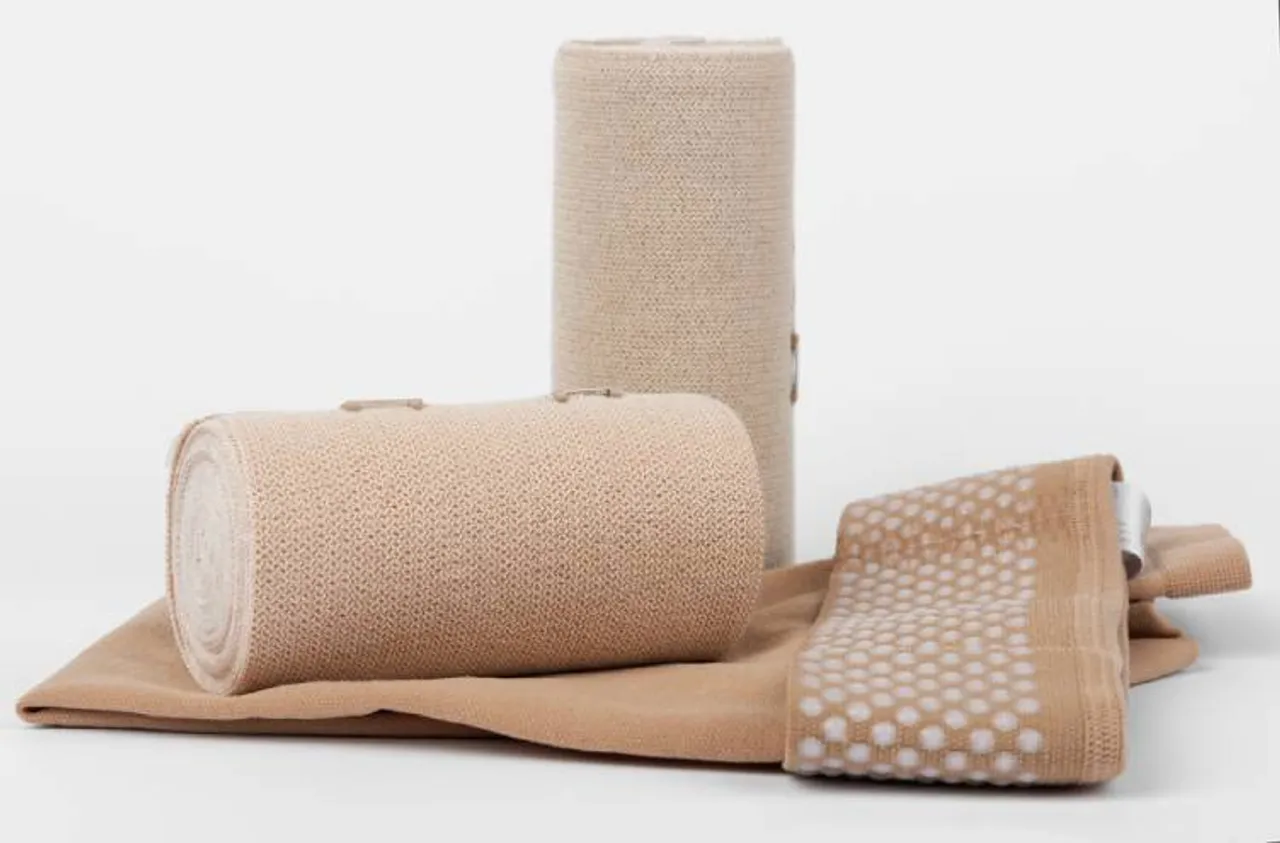
Compression garments play a key role in ensuring smooth and efficient recovery after liposuction.
Why Compression Garments Are Important
These garments apply gentle pressure to the treated areas, which helps reduce swelling, prevent fluid accumulation, and promote skin retraction. They also support the new contours of your body, helping to maintain smooth and even results.
When to Wear Compression Garments
Compression garments should be worn consistently during the first few weeks, typically 24/7 except when showering. After the initial phase, you may be instructed to wear them for fewer hours each day, depending on your surgeon’s guidance.
Tips for Comfort
- Fit: Ensure the garment is snug but not too tight to maximize both comfort and effectiveness.
- Hygiene: Clean your garments regularly to avoid irritation.
- Adjustment: Gradually adjust to the garment’s fit for comfort.
The Liposuction Recovery Timeline: Milestones to Expect
Understanding the stages of recovery can help set realistic expectations.
Week 1-2:
During the first two weeks, swelling, bruising, and soreness are most noticeable. Most patients are able to return to work within a week, but strenuous activities should be avoided.
Week 3-4:
Swelling begins to subside, and bruising fades. Light activities may be allowed, but heavy exercise should still be avoided. The results of liposuction begin to become visible at this stage.
Week 5-6:
By week 5-6, most swelling should have diminished, and you will see more defined contours. Mild swelling may still persist, but it won’t be as noticeable.
3-6 Months:
In the following months, any remaining swelling will continue to subside, and the final results of your liposuction procedure will become fully visible.
Returning to Normal Life: Work, Social Activities, and Exercise
The recovery timeline for resuming normal activities depends on the extent of your surgery and individual healing.
Returning to Work and Social Activities
For those with desk jobs, returning to work is possible within a few days. For more physically demanding jobs, a recovery period of 2-4 weeks may be necessary. Social activities can generally be resumed once you feel comfortable, but heavy physical activity should be avoided for 4-6 weeks.
Physical Activity Post-Surgery
Exercise should be resumed cautiously. Light walking and stretching can begin after 3-4 weeks, but more strenuous activities, such as weightlifting or running, should be postponed for 6-8 weeks.
Post-Surgery Care and Follow-Up Appointments
Follow-up appointments are essential for tracking your recovery and addressing any concerns that arise. Regular visits to your surgeon will ensure that you heal properly and help detect potential issues early.
Incision Care
Carefully follow your surgeon’s instructions for cleaning and caring for the incision areas to prevent infection and promote healing.
Massage and Therapy
Once cleared, gentle massage and post-surgical therapies like lymphatic drainage can help reduce swelling and improve skin retraction.
Maintaining Results After Recovery
Maintaining the results of your liposuction procedure involves a commitment to a healthy lifestyle. Regular exercise, a balanced diet, and weight management are key to keeping your new contours intact.
Articles
Evidence-based surgical guides, clinical insights, and recovery resources from Dite Plastic Surgery.
The Top 5 Benefits of Hip Implant Surgery
"Discover the top 5 benefits of hip implant surgery, from pain relief to improved mobility. Learn how it can enhance your quality of life today!"
Learn More

The Risks and Benefits of Hip Revision Surgery Explained
Discover the risks and benefits of hip revision surgery, from recovery to outcomes, to make informed decisions. Learn more today!
Learn More

Why Abdominal Surgery Is the Ultimate Solution for Stubborn Belly Fat
Discover why abdominal surgery is the best solution for stubborn belly fat. Learn benefits, risks & results to achieve your dream body today!
Learn More