Specialized Breast & Body Contouring Center in Seoul · Dedicated 1:1 International Patient Concierge


Articles
Nipple and Areola Reconstruction After Breast Cancer: Restoring Confidence
Learn how nipple and areola reconstruction helps breast cancer survivors regain confidence and emotional well-being through advanced techniques and personalized care.
Schedule a ConsultationIntroduction: The Deep Emotional and Physical Effects of Breast Cancer

A breast cancer diagnosis can be transformative, reshaping not only a woman’s physical body but also her sense of self. Beyond the challenges of treatment, many survivors face profound emotional struggles, particularly related to body image. Losing one or both breasts during a mastectomy can have a significant impact on a woman’s perception of herself and her femininity. This is where breast reconstruction becomes vital, offering both physical and emotional healing. By restoring a woman’s appearance, reconstruction helps her reclaim her identity and confidence.
Among the final steps of breast reconstruction, nipple and areola surgery holds special importance. Rebuilding the nipple-areola complex is a key aspect in achieving a natural-looking breast and is often the procedure that brings a sense of completeness. In this article, we will explore how nipple and areola reconstruction works and why it is so crucial for survivors.
What is Nipple and Areola Reconstruction?
Nipple and areola reconstruction refers to the process of surgically recreating the nipple and the surrounding pigmented area, the areola, after mastectomy. It is usually performed after the breast mound has been reconstructed. The goal of this surgery is to restore a natural and aesthetically pleasing appearance to the breast.
Various techniques exist to accomplish this restoration. For nipple creation, surgeons may use local skin flaps or grafts, while the areola can be recreated with tattooing or micropigmentation to simulate the natural color and texture. Many patients opt for a combination of these methods to achieve the most realistic and satisfying result.
Nipple and areola reconstruction is suitable for women who are physically stable after their initial breast reconstruction and are ready for this final, transformative step. The surgery is customized to each patient’s body, ensuring the results meet their aesthetic and emotional expectations.
The Role of Nipple and Areola Reconstruction in the Healing Process
Nipple and areola reconstruction is often the finishing touch in breast cancer reconstruction. While the primary focus of initial surgery is to rebuild the breast mound, restoring the nipple and areola helps complete the breast’s natural appearance.
The timing of the procedure varies. Some women opt for immediate nipple and areola reconstruction during their mastectomy, while others may wait until the breast mound has healed and settled, sometimes months or even years later. Regardless of when it’s done, this procedure marks a significant milestone in the healing journey.
When combined with other reconstruction techniques like implants, autologous tissue reconstruction, or fat grafting, nipple and areola restoration helps both restore physical form and improve overall quality of life.
Techniques for Nipple and Areola Reconstruction
There are several techniques for reconstructing the nipple and areola, each with its own benefits:
- Surgical Nipple Reconstruction: Surgeons often use skin flaps from nearby areas to shape a new nipple. These flaps are carefully designed to create a natural projection, often preserving sensation and the breast's contour. In cases where more tissue is needed, skin grafts may be taken from other body areas.
- Areola Micropigmentation (Tattooing): After nipple creation, the areola is typically restored through tattooing, a non-surgical technique that uses specialized pigments to create a realistic, three-dimensional appearance.
- Composite Techniques: Many patients benefit from a combination of surgical nipple creation and tattooing. This approach allows for both precise shaping and realistic coloring, providing the most natural-looking outcome.
Recent advancements in these techniques have dramatically improved the quality of nipple and areola reconstruction, helping breast cancer survivors feel more confident in their bodies.
The Psychological and Emotional Impact of Nipple and Areola Reconstruction

Breast cancer affects more than just the body—it can alter how a woman perceives herself. Survivors often experience feelings of loss and diminished self-esteem, especially in social or intimate settings. Nipple and areola reconstruction plays a crucial role in addressing these emotional challenges.
Rebuilding the nipple-areola complex helps women regain a sense of normalcy and femininity. Studies have shown that women who undergo this procedure report improved body image and overall psychological well-being. For many, a reconstructed nipple symbolizes the completion of their healing journey and serves as a testament to their resilience and survival.
Real patient experiences underscore the emotional benefits of this surgery. Many survivors share how the restoration of their nipple and areola helped them feel more comfortable wearing clothing or engaging in intimate relationships without fear of judgment. These emotional improvements are just as important as the physical results, enhancing the overall quality of life.
Preparing for Nipple and Areola Reconstruction
Preparation begins with a comprehensive consultation, where the surgeon assesses the patient’s health, breast shape, and personal reconstruction goals. The surgeon will discuss the various surgical and non-surgical options, along with their benefits, risks, and expected outcomes.
It’s important for patients to express their expectations openly to ensure that the approach is tailored to their needs. Pre-operative tests, such as blood work and imaging, help ensure the patient is fit for surgery. Any underlying medical conditions are managed to minimize surgical risks.
In addition to physical preparation, emotional readiness is a key factor. Surgeons provide patients with detailed information about what to expect before and after surgery, helping reduce anxiety and build confidence. Following pre-surgical guidelines, such as avoiding smoking, is crucial for achieving the best results.
Step-by-Step Overview of the Surgical Procedure
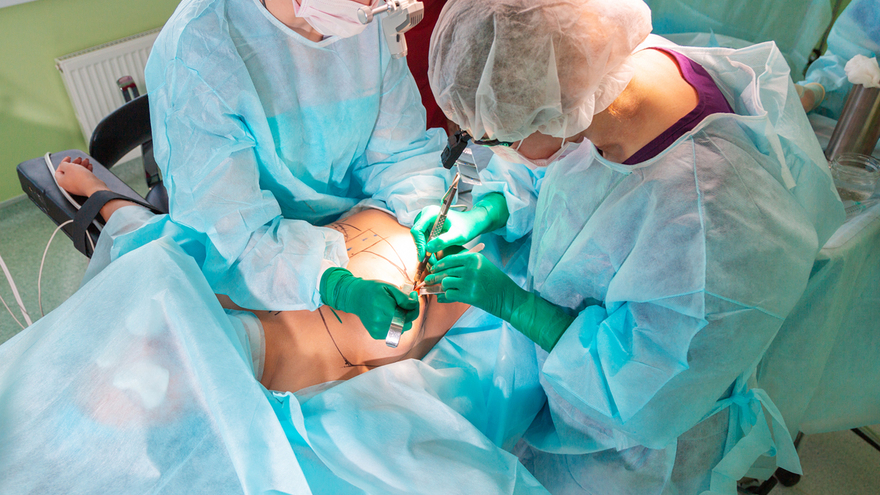
Nipple and areola reconstruction is typically performed as an outpatient procedure under local anesthesia with sedation or general anesthesia. The surgery generally takes one to two hours.
The surgeon starts by creating the nipple, often using local skin flaps that are reshaped to form a natural-looking projection. In some cases, skin grafts are taken from areas like the inner thigh or groin to enhance the shape and texture.
Following nipple creation, areola restoration is performed through tattooing. This adds realistic color and texture, usually a few weeks after the nipple has healed, allowing for precise pigment matching.
Throughout the procedure, the surgeon aims to balance aesthetics with safety, minimizing scarring and maximizing natural appearance.
Recovery and Aftercare
After the surgery, patients may experience mild discomfort, swelling, and tenderness, which typically improve over a few weeks. Dressings or protective coverings are used to shield the reconstructed nipple during healing.
Patients should avoid strenuous activities for at least two to four weeks to allow proper healing. Follow-up visits are essential to ensure that healing is progressing well and to address any issues such as infection or poor wound healing.
Long-term care includes protecting the tattooed area from excessive sun exposure and keeping the skin hydrated to maintain texture.
Risks and Complications
Like any surgery, nipple and areola reconstruction carries certain risks, including infection, bleeding, and poor wound healing. The reconstructed nipple can sometimes lose projection or shrink slightly, and pigment fading in tattooing is common, requiring touch-ups.
To minimize these risks, patients must follow all pre- and post-operative instructions and attend follow-up appointments for early detection of complications.
Nipple Tattooing and Areola Micropigmentation: A Non-Surgical Option
For those who prefer a less invasive route, nipple tattooing or areola micropigmentation offers a non-surgical way to restore the breast’s appearance. This technique uses medical tattooing to recreate the color, shading, and texture of the areola. While it doesn’t provide nipple projection, it significantly enhances the breast’s aesthetic.
This option is ideal for patients seeking a natural look without additional surgery or those looking to refine an already reconstructed nipple.
Advancements in Reconstruction Techniques
Recent innovations in nipple and areola reconstruction, such as 3D nipple tattoos and improved surgical techniques, have enhanced both aesthetics and functionality. Tissue engineering and regenerative medicine are exploring ways to encourage natural tissue growth for even better results.
Choosing the Right Clinic and Surgeon
Selecting the right clinic and surgeon is crucial. Patients should choose a specialist experienced in breast reconstruction who understands both the physical and emotional aspects of the process. Board certification, patient testimonials, and before-and-after portfolios are important factors to consider.
Patient Stories: Real-life Testimonials
Patient stories provide powerful insights into the emotional impact of nipple and areola reconstruction. For instance, Mrs. Kim, a breast cancer survivor, shared how her reconstruction allowed her to feel “whole again” and face the world confidently. These personal experiences demonstrate how this procedure can transform not just the body but also the spirit.
Conclusion: Reclaiming Confidence and Embracing a New Chapter
Nipple and areola reconstruction is a transformative procedure that helps breast cancer survivors restore not only their physical appearance but also their emotional well-being. Advances in techniques, personalized care, and expert surgeons make this process more accessible and effective than ever before.
Articles
Evidence-based surgical guides, clinical insights, and recovery resources from Dite Plastic Surgery.

The Top 5 Benefits of Hip Implant Surgery
"Discover the top 5 benefits of hip implant surgery, from pain relief to improved mobility. Learn how it can enhance your quality of life today!"
Learn More

The Risks and Benefits of Hip Revision Surgery Explained
Discover the risks and benefits of hip revision surgery, from recovery to outcomes, to make informed decisions. Learn more today!
Learn More

Why Abdominal Surgery Is the Ultimate Solution for Stubborn Belly Fat
Discover why abdominal surgery is the best solution for stubborn belly fat. Learn benefits, risks & results to achieve your dream body today!
Learn More