Specialized Breast & Body Contouring Center in Seoul · Dedicated 1:1 International Patient Concierge


Articles
Nipple Areola Surgery Recovery: Tips and Timeline
Discover the real recovery timeline and expert tips for nipple and areola surgery. Learn what to expect, how to heal smoothly, and when results settle — from the specialists at Dite Plastic Surgery in Gangnam, Seoul.
Schedule a ConsultationNipple Areola Surgery Recovery: Tips and Timeline
When it comes to breast aesthetics, the conversation often revolves around size and shape. But for many patients — especially those seeking subtle, harmonious results — the appearance of the nipple and areola plays an equally critical role. Whether performed as part of a breast augmentation, reduction, lift, or as a standalone correction, nipple areola surgery is a delicate procedure that demands careful aftercare to preserve both form and function.
At Dite Plastic Surgery in Seoul’s Gangnam medical hub, we often hear a similar question from patients just after surgery:
“How long until it feels normal again?”
That’s a fair concern — and one that deserves more clarity than what’s often found online. So here, we’ll walk through what recovery from nipple and areola surgery really looks like: the physical sensations, the emotional shifts, the practical dos and don’ts — and how to optimize your healing for the most refined results.
What Does Nipple Areola Surgery Involve?
Before diving into recovery, it helps to understand what this procedure actually addresses.
Nipple and areola surgery is a broad term that may involve:
- Areola reduction (for overly wide or stretched areolas)
- Nipple reduction (for long or protruding nipples)
- Correction of inverted nipples
- Repositioning of the nipple-areolar complex (typically during a lift or reduction)
- Reconstruction after mastectomy or trauma
Each of these techniques involves fine tissue work — often using circular or wedge incisions — and is designed to enhance the balance, symmetry, and natural contour of the breast. At Dite, our approach is rooted in microscopic precision and personalized proportion planning, especially when these procedures are part of hybrid breast surgeries or body reshaping journeys.
Recovery Timeline: What to Expect Week by Week
Healing from nipple areola surgery is generally quicker and more comfortable than full-scale breast procedures, but that doesn’t mean it’s effortless. Let’s break it down:
🗓️ Day 1–3: Immediate Post-Op
- Sensation: Expect mild soreness, light swelling, and some sensitivity around the area. Some patients describe a “stingy” or “tight” sensation near the incision.
- Dressings: You'll likely have a small sterile dressing or surgical tape covering the site.
- Care Tips:
- Keep the area dry and clean.
- Avoid compressing garments or bras that apply direct pressure to the nipple.
- A cold compress (indirect, through fabric) can help with swelling.
🩺 Note from experience: What many patients don’t realize is that over-cleaning can actually irritate the healing tissue. Gentle care is better than aggressive disinfecting.
🗓️ Day 4–7: Early Healing Phase
- Sutures: Most stitches used in areolar surgery are either absorbable or removed within a week.
- Swelling: Begins to subside. Some bruising may appear around the edges.
- Itching: A common sign of healing. Do not scratch — we recommend a topical recovery gel or silicone dressing if the surgeon advises.
- Sensitivity: Nipple may feel numb, hypersensitive, or both. These sensations typically normalize over time.
🩺 Insider tip: Many patients feel “worried” during this phase because the area can look slightly puffy or uneven. This is completely normal — initial swelling often settles unevenly. Symmetry becomes more apparent around the 3–4 week mark.
🗓️ Week 2–3: Scar Maturation Begins
- Wound closure is typically complete by now.
- Scars may appear pink or firm — this is a natural part of collagen rebuilding.
- Return to Light Activity: Most patients can return to normal daily routines. Just avoid:
- Upper body workouts
- Tight bras or underwires
- Sexual activity that involves breast contact
🩺 Real-world example: At Dite, we often see patients who undergo nipple correction as part of a lift or augmentation. What’s unique is how scar positioning is planned in advance to blend with the natural curves of the breast — so once healing completes, they’re nearly invisible even in minimal clothing.
🗓️ Week 4–6: Subtle Refinement
- The nipple-areola complex starts to settle into its final shape and position.
- Sensation may fluctuate — tingling or slight zaps are common as nerve endings regenerate.
- Light pressure from soft bras becomes more tolerable.
- Scar care becomes key. We often recommend:
- Medical-grade silicone sheets
- Gentle scar massage techniques
- Low-level laser therapy if needed
🩺 At this point, it’s not unusual for patients to evaluate their results in more detail. If you feel unsure, bring your questions to a follow-up — but know that the final aesthetic continues to refine up to 6 months post-op.
Long-Term Results: What Becomes Permanent?

Once fully healed (around 3–6 months for most), the outcomes are typically long-lasting:
- Areola size and shape remain consistent
- Nipple projection remains stable unless future surgery or trauma occurs
- Scars fade from pink to pale, blending into surrounding skin
But outcomes also depend on two things you control:
- Sun protection — UV exposure can darken scar pigment, especially in the first year.
- Skin elasticity and lifestyle — Factors like weight fluctuation and hormonal changes can subtly affect the breast envelope and skin tension over time.
At Dite, we advise all patients to maintain skin hydration, healthy circulation, and regular breast self-checks — both for aesthetics and wellness.
Emotional Recovery: What Patients Don’t Talk About
What’s often overlooked in the discussion is the emotional shift that happens post-op.
For some, adjusting to a new nipple size or shape can feel empowering — finally seeing proportions that feel “right.” For others, it may take a few weeks to reconnect with body image, especially if the surgery corrected a congenital or long-standing concern.
“I never realized how much this bothered me until it was fixed,” — one patient shared, months after a nipple correction.
“It changed how I see my whole figure.”
Don’t rush this adjustment. Body image evolves just like tissue heals — gradually, and with kindness.
Practical Tips for Smoother Recovery
✅ Sleep on your back, elevated slightly, for at least 2 weeks
✅ Avoid baths, saunas, and pools until cleared by your surgeon
✅ Use soft, wireless bras or go braless in the early healing phase
✅ Avoid smoking or alcohol, which can delay healing
✅ Stick to follow-ups — even if everything “looks fine”
🩺 At Dite, our aftercare program includes customized scar therapy, high-frequency healing support, and one-on-one recovery check-ins — especially for patients flying in from overseas.
Why Surgical Precision Matters in Nipple Areola Surgery
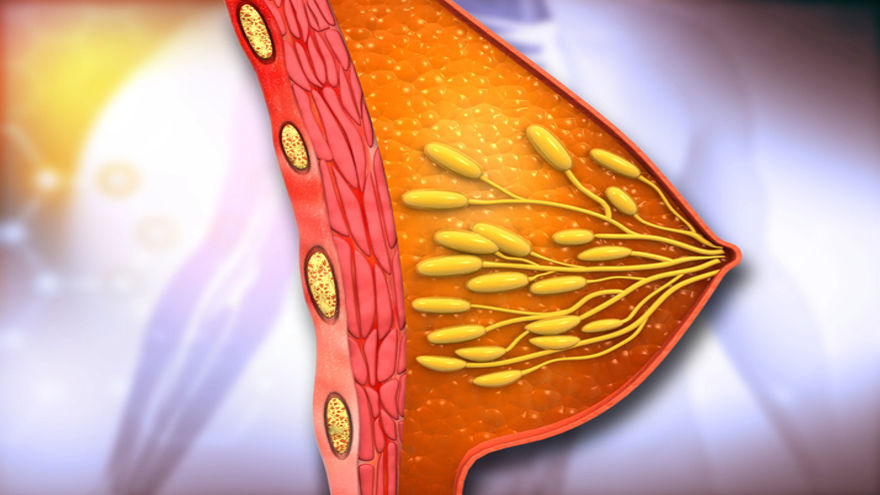
Unlike other body areas, the nipple-areolar complex holds both aesthetic and sensory significance. A few millimeters can make the difference between a balanced outcome and one that feels slightly “off.”
Dr. Jun Wook Lee’s approach prioritizes:
- Symmetry planning using 3D breast mapping
- Tissue-preserving incision techniques
- Microsurgical detail for patients needing reconstruction or repair
That’s why patients who care about refined balance — not just reduction — often choose to undergo this procedure in tandem with hybrid breast enhancement or reshaping.
Thinking About Nipple or Areola Surgery?
If you’re considering a subtle correction or enhancement, you’re not alone — and you don’t have to settle for one-size-fits-all solutions. Whether you're seeking aesthetic improvement, restoring symmetry, or correcting discomfort, nipple areola surgery can be a transformative but understated change.
📍Located in the heart of Gangnam, Dite Plastic Surgery offers discreet, high-precision nipple and areolar procedures as part of our signature body-focused care model.
🗓️ A personalized evaluation with Dr. Jun Wook Lee can help you understand your options and plan a result that looks natural — and feels like your own.
Articles
Evidence-based surgical guides, clinical insights, and recovery resources from Dite Plastic Surgery.

The Top 5 Benefits of Hip Implant Surgery
"Discover the top 5 benefits of hip implant surgery, from pain relief to improved mobility. Learn how it can enhance your quality of life today!"
Learn More

The Risks and Benefits of Hip Revision Surgery Explained
Discover the risks and benefits of hip revision surgery, from recovery to outcomes, to make informed decisions. Learn more today!
Learn More

Why Abdominal Surgery Is the Ultimate Solution for Stubborn Belly Fat
Discover why abdominal surgery is the best solution for stubborn belly fat. Learn benefits, risks & results to achieve your dream body today!
Learn More