Specialized Breast & Body Contouring Center in Seoul · Dedicated 1:1 International Patient Concierge


Articles
The Truth About Liposuction and Fat Cell Removal
Learn the real science behind liposuction and fat cell removal. Discover how Dite Plastic Surgery in Gangnam uses advanced body sculpting techniques to permanently reshape your figure — with natural, lasting results.
Schedule a ConsultationThe Truth About Liposuction and Fat Cell Removal
By Dite Plastic Surgery, Gangnam, Seoul
Most people think of liposuction as a quick fix for fat — a way to “vacuum out” stubborn areas and never worry again. But if you’re considering the procedure, especially here in Korea where body refinement is an art form, you deserve more than beauty blog generalizations. You deserve the truth: what liposuction really does to your fat cells, how permanent the results are, and what it takes to maintain them.
At Dite Plastic Surgery in Gangnam, we perform liposuction with both surgical precision and aesthetic vision. That means not just removing fat — but reshaping the body in a way that enhances balance, flow, and confidence. Here’s what most websites won’t tell you about fat cell removal, and why the truth matters if you're planning a long-term body transformation.
First, What Is Liposuction Actually Doing?
Liposuction removes subcutaneous fat — the soft, pinchable fat that sits just beneath the skin. It's done using thin cannulas (tubes) that gently suction fat from targeted areas like the abdomen, thighs, arms, or flanks.
But here's the key: liposuction doesn’t just shrink fat cells — it permanently removes them. Once those fat cells are out of your body, they don’t grow back.
This surprises many first-time patients. Unlike dieting or weight loss, which shrinks fat cells temporarily (leaving the total number unchanged), liposuction physically reduces the number of fat cells in the treated area.
Does Fat Come Back After Liposuction?
The honest answer? Not in the same place — if you maintain your weight.
Fat cells removed by liposuction are gone for good. However, your body can still gain fat — just not in the same distribution. If you gain weight after liposuction, the remaining fat cells in your body (including untreated areas) can enlarge. This is why some patients notice weight gain showing up in new places post-op, such as the back or arms, if they don’t stabilize their lifestyle.
At Dite, we explain it like this:
“Think of fat distribution like a landscape. Liposuction flattens certain hills, but if it rains too much — the water still needs to go somewhere.”
That’s why surgical fat removal should always be part of a broader conversation about body maintenance, not a shortcut.
Why Fat Cells Matter More Than You Think
Your body has a genetically determined number of fat cells, which stabilize in adulthood. Where those cells are concentrated affects your silhouette, proportions, and even how clothing fits.
For example:
- “Stubborn love handles” often reflect fat cell density in the flanks, which dieting may not fully address.
- Inner thigh fat might be resistant due to hormone-related cell activity — especially in women.
- Back rolls or bra-line fat usually involve fibrous fat that’s more difficult to shrink through exercise alone.
Liposuction allows us to re-sculpt those high-density zones by removing the actual cells causing disproportion.
This is especially relevant for Korean patients and international visitors seeking the clean, streamlined aesthetic favored in Gangnam — where subtle shaping around the waist, hips, and thighs is often preferred over dramatic volume reduction.
What Happens to the Skin After Fat Is Removed?
Another thing most patients don’t realize: fat removal changes the tension under your skin. If your skin has good elasticity, it will bounce back and tighten naturally after fat is removed. But if elasticity is poor — due to age, weight fluctuations, or genetics — the skin may sag slightly, especially in larger volume liposuction.
This is where advanced surgical planning matters.
At Dite, we often combine multi-layer liposuction with skin tightening tools like RF (radiofrequency) or internal thermal devices. This encourages the dermis to retract and adapt to your new shape.
We also advise against overly aggressive fat removal, which can hollow out areas or create contour irregularities. Removing fat is not the goal — refining the shape is.
Fat Cells vs. Weight Loss: Why It Feels So Different
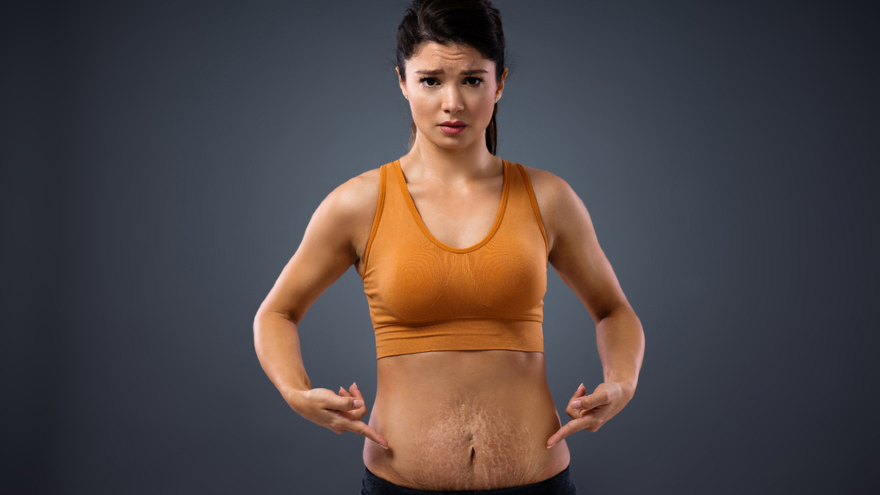
Many patients tell us:
“I lost 5kg before but didn’t see much change in my waist. After liposuction, I lost less weight but looked completely different.”
That’s because weight loss is systemic — it affects the entire body evenly. But liposuction is targeted. It removes specific pockets of fat that diet or exercise alone often can’t reach.
This is especially important for:
- Post-pregnancy bellies where the lower abdomen holds on to fat
- Skinny-fat patients with localized fat deposits and low muscle tone
- Athletes or lean individuals who want definition, not just weight loss
At Dite, we tailor fat removal to your unique fat distribution — which is more biologically complex than most people realize.
Can Fat Cells Be “Transferred” Instead of Removed?
Yes — and this is where fat grafting enters the picture.
In some cases, we don’t throw away all the fat we remove. Instead, we purify and re-inject it into areas that need volume — like the hips (for proportion balance), buttocks, or even breasts (for soft, natural augmentation).
This dual approach — called liposuction with fat transfer — is one of the most elegant techniques in modern body contouring. It’s particularly popular among patients who want to:
- Slim the waist and enhance the hips (the coveted S-curve)
- Balance upper and lower body proportions
- Avoid implants but still gain volume
This is a hallmark technique at Dite Plastic Surgery, where we emphasize harmony over subtraction. We’re not just removing fat — we’re using it to sculpt your ideal silhouette.
Is There a Limit to How Much Fat Can Be Removed?
Yes, and that limit exists for your safety. In South Korea, national guidelines recommend removing no more than 4,000 to 5,000 cc of fat during one session — and less if done under local anesthesia. Going beyond this limit increases risk of complications like fluid imbalance, excessive bruising, or irregular contours.
But here’s the truth: more is not always better. At Dite, we often remove less fat but in the right places — creating a more dramatic improvement in appearance with less physical trauma.
We use 3D body analysis and anatomical mapping to determine which fat pockets are working against your body line — and which should be preserved to maintain softness or natural curves.
The Takeaway: Liposuction Is About Fat Cell Removal — But More About Body Design
If you're thinking about liposuction, focus less on “how much fat can I lose?” and more on “what shape do I want to create?” That’s where true transformation happens.
At Dite Plastic Surgery, we treat liposuction like sculpture — not suction. That means:
- Removing fat cells to balance your proportions
- Using fat to enhance other areas if needed
- Preserving enough softness to maintain a natural aesthetic
And yes — doing all of this safely, with a meticulous eye and customized plan.
Considering Liposuction or Fat Reshaping?
A consultation with an experienced body contouring surgeon like Dr. Jun Wook Lee at Dite Plastic Surgery can give you clarity — not just on how much fat to remove, but on how to elevate your overall body harmony.
Located in Seoul’s Gangnam medical hub, Dite specializes in refined liposuction, fat transfer, and silhouette design — offering natural results, discreet recovery, and personalized care for first-timers and experienced patients alike.
Articles
Evidence-based surgical guides, clinical insights, and recovery resources from Dite Plastic Surgery.

The Top 5 Benefits of Hip Implant Surgery
"Discover the top 5 benefits of hip implant surgery, from pain relief to improved mobility. Learn how it can enhance your quality of life today!"
Learn More

The Risks and Benefits of Hip Revision Surgery Explained
Discover the risks and benefits of hip revision surgery, from recovery to outcomes, to make informed decisions. Learn more today!
Learn More

Why Abdominal Surgery Is the Ultimate Solution for Stubborn Belly Fat
Discover why abdominal surgery is the best solution for stubborn belly fat. Learn benefits, risks & results to achieve your dream body today!
Learn More