Specialized Breast & Body Contouring Center in Seoul · Dedicated 1:1 International Patient Concierge

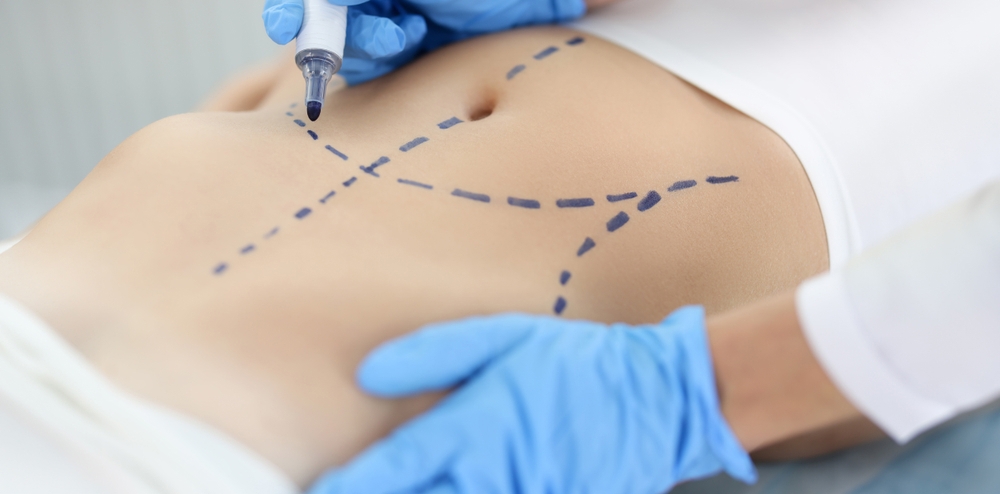
Articles
What Are the Risks and Side Effects of Abdominal Surgery?
Discover the common risks and side effects of abdominal surgery, including complications and recovery tips. Stay informed—learn more today!
Schedule a ConsultationWhat Are the Risks and Side Effects of Abdominal Surgery?
For many patients in Seoul’s cosmetic hub — especially in Gangnam, where aesthetic standards are famously high — abdominal surgery isn’t just about flattening the stomach. It’s about regaining confidence, refining your silhouette, and restoring harmony to your body’s proportions. Whether you're considering liposuction, tummy tuck (abdominoplasty), or post-pregnancy contouring, abdominal procedures can deliver dramatic transformation.
But with every surgical enhancement comes a responsibility to understand the potential risks — not to be afraid, but to be informed.
At Dite Plastic Surgery, we believe that an empowered patient is one who knows what healing may look like, how to manage common side effects, and when to seek support. Let’s walk through the most important truths behind the risks of abdominal surgery — from minor discomforts to rare complications — so you can plan with clarity and confidence.
Why Understanding Risk Is Essential — Especially in Cosmetic Surgery
Unlike emergency surgeries, body contouring is elective. That doesn’t mean it’s superficial or frivolous — quite the opposite. It means you deserve the highest level of safety, transparency, and personalized care.
Many patients who come to our Gangnam clinic are surprised by how much recovery planning matters. As Dr. Jun Wook Lee often reminds patients: “A good result doesn’t end with the last stitch — it begins with how we manage swelling, tension, and tissue healing.”
So what exactly are the risks and side effects to expect with abdominal surgery?
Common Side Effects After Abdominal Surgery
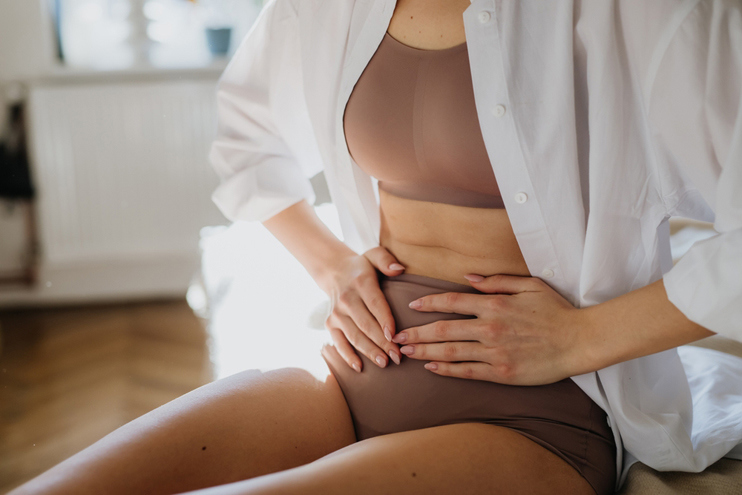
Let’s begin with what’s normal — the reactions your body should have during the early stages of recovery.
1\. Swelling and Bruising
Swelling is your body’s natural response to surgical manipulation. After procedures like liposuction or abdominoplasty, localized swelling in the lower abdomen can last for several weeks — sometimes even months.
At Dite, we use advanced high-frequency RF therapy to minimize prolonged swelling and promote lymphatic drainage — especially in combination procedures like tummy tuck + liposuction. Bruising usually fades within 10–14 days, but deep tissue healing continues long after the skin appears smooth.
2\. Tightness and Sensory Changes
Many patients report a sensation of pulling or tightness, particularly after muscle repair in a tummy tuck. Numbness around the incision line or navel area is also common. This happens because small nerves are stretched or interrupted during surgery.
These changes typically resolve over time, though some residual numbness can linger for months — or rarely, be permanent. The key is gentle movement and targeted scar massage, which we guide patients through in follow-ups.
3\. Pain and Discomfort
Mild to moderate pain is to be expected, particularly in the first 3–5 days. Most patients at our clinic describe it as a deep soreness — “like doing 200 sit-ups in a row.” With proper pain management and early ambulation (gentle walking), discomfort is usually well-controlled.
Less Common but Important Risks
These are complications that aren’t part of the standard healing process but may occur depending on the patient’s health, surgical technique, and post-op care.
1\. Seroma (Fluid Accumulation)
A seroma is a pocket of clear fluid that can collect under the skin after surgery. It’s more common after large-volume liposuction or full abdominoplasty.
Small seromas may resolve on their own; larger ones sometimes require aspiration in the clinic. To reduce this risk, Dite uses meticulous layered closure techniques and may place temporary drains in high-risk cases — though we often avoid them through refined tissue handling.
2\. Infection
While rare in clean elective surgery, infection is still possible — usually appearing as redness, warmth, or discharge around the incision. Proper hygiene, careful wound care, and early detection are critical.
At our Gangnam facility, we maintain rigorous sterile protocols and monitor each patient's recovery closely through scheduled check-ins and virtual support for our international patients.
3\. Delayed Wound Healing or Skin Necrosis
In some patients — especially smokers or those with poor circulation — wound healing may be delayed. In extreme cases, small areas of skin can lose blood supply and darken (necrosis).
Dr. Lee’s surgical approach minimizes tissue tension and maximizes blood flow — especially around the central abdomen and navel area, where risks are slightly higher. We also use high-frequency stimulation to improve microcirculation post-op.
4\. Unsatisfactory Scarring
Everyone heals differently. Even with careful suturing and scar care, some individuals develop hypertrophic (raised) or widened scars.
We initiate scar treatment early, often within 2–3 weeks, using silicone sheets, pressure taping, or laser resurfacing if needed. Our philosophy is simple: Surgical precision starts in the OR but continues through proactive aftercare.
Rare Complications (But Worth Discussing)
While extremely uncommon in healthy patients undergoing cosmetic procedures, the following complications should be understood:
- Blood clots (DVT or pulmonary embolism) — more likely in patients with long immobility or underlying clotting risks.
- Hematoma (internal bleeding) — usually occurs within 24–48 hours if it happens at all.
- Asymmetry or contour irregularities — may arise due to uneven fat removal or poor skin retraction.
At Dite, we conduct detailed pre-surgical planning using 3D contour mapping and medical screening to reduce these risks. Patients at higher risk (e.g., with medical conditions, medications, or prior surgeries) receive personalized surgical adjustments.
What Many Patients Don’t Realize About Recovery
One thing we see often at Dite — especially among international patients or those influenced by social media — is the assumption that healing is linear. In reality, recovery happens in waves.
You might feel fantastic by week two, then notice a temporary swelling “bump” in week four. This is normal.
We call it the “healing seesaw,” and it’s exactly why we structure a multi-phase recovery plan:
- Phase 1 (0–7 days): Acute management, compression, gentle walking
- Phase 2 (7–21 days): Swelling control, early mobility, suture removal
- Phase 3 (1–3 months): Scar care, tissue remodeling, guided massage
- Phase 4 (3–6 months): Final shaping, light exercise, aesthetic review
The more patients understand these stages, the less anxiety they feel during normal fluctuations.
How to Minimize Risk: What You Can Control

While no surgery is without risk, there’s a great deal you can influence through preparation and partnership with your surgical team.
Here’s what matters most:
- Stop smoking (ideally 4+ weeks before and after surgery)
- Maintain stable weight — avoid crash dieting or bulking just before surgery
- Follow pre-op labs and medical clearance seriously
- Stick to compression and movement protocols after surgery
- Ask questions — a well-informed patient is a safer patient
At Dite Plastic Surgery, every procedure is personalized — not just in design, but in recovery strategy. Whether you’re undergoing mini-lipo or full-body reshaping, you’ll be supported every step of the way by a team that understands both the art and science of healing.
Aesthetic Confidence Starts With Surgical Clarity
Choosing to refine your abdomen is deeply personal. For many of our patients — mothers restoring their core after childbirth, or professionals seeking more balance in their silhouette — it’s not just cosmetic. It’s corrective. Empowering. And emotional.
Understanding the risks of abdominal surgery doesn’t mean fearing them. It means preparing wisely, selecting an expert team, and honoring your body’s timeline.
If you're considering abdominal contouring, book a consultation at a body-focused clinic like Dite Plastic Surgery in Seoul. A personalized evaluation with Dr. Jun Wook Lee can help you plan a refined, natural outcome — with a recovery roadmap tailored just for you.
Articles
Evidence-based surgical guides, clinical insights, and recovery resources from Dite Plastic Surgery.

The Top 5 Benefits of Hip Implant Surgery
"Discover the top 5 benefits of hip implant surgery, from pain relief to improved mobility. Learn how it can enhance your quality of life today!"
Learn More

The Risks and Benefits of Hip Revision Surgery Explained
Discover the risks and benefits of hip revision surgery, from recovery to outcomes, to make informed decisions. Learn more today!
Learn More

Why Abdominal Surgery Is the Ultimate Solution for Stubborn Belly Fat
Discover why abdominal surgery is the best solution for stubborn belly fat. Learn benefits, risks & results to achieve your dream body today!
Learn More