Specialized Breast & Body Contouring Center in Seoul · Dedicated 1:1 International Patient Concierge

Articles
What Happens During Accessory Breast Removal Surgery and What to Expect
Discover what happens during accessory breast removal surgery, including how it’s performed, what recovery involves, and how Dite Plastic Surgery in Seoul ensures smooth, natural results with expert precision.
Schedule a ConsultationWhat Happens During Accessory Breast Removal Surgery and What to Expect
By Dite Plastic Surgery, Seoul, South Korea
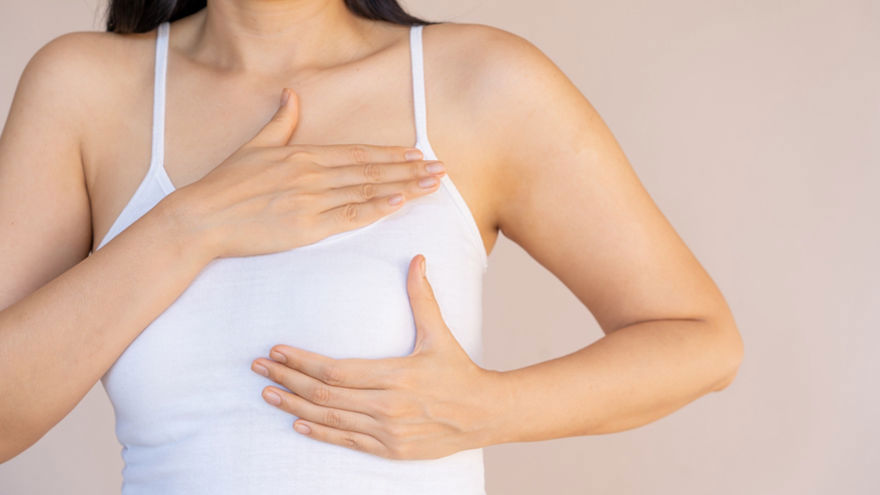
For many people, the word “accessory breast” can sound unusual — even a bit mysterious. But it’s far more common than most realize. In fact, a small number of women and men are born with extra breast tissue along the so-called “milk line,” typically in the armpit or just beneath it. While it’s benign, this tissue can cause both physical and emotional discomfort — especially when it becomes more visible with tight clothing or during hormonal changes.
At Dite Plastic Surgery in Seoul’s Seocho District, we frequently see patients who have lived for years with this concern but never knew a safe, effective solution existed. Accessory breast removal surgery is that solution — a precise, minimally invasive procedure that restores smooth, natural contours to the underarm and chest area.
This article explains what happens during accessory breast removal surgery, what to expect before and after, and how expert surgical design ensures refined, confident results.
Understanding Accessory Breast Tissue: More Than a Cosmetic Concern
Accessory breast tissue (also called axillary breast tissue) develops during fetal growth when parts of the “milk line” — which runs from the armpit to the groin — don’t fully regress. The result is small clusters of glandular tissue that can enlarge with hormonal fluctuations, weight gain, or pregnancy.
For many women, the area may:
- Swell or feel tender during menstruation
- Create unevenness that shows through fitted tops or bras
- Cause difficulty when raising the arms or wearing sleeveless clothing
Beyond appearance, this tissue can even contain functional breast glands, which means it may respond to hormonal cycles just like the main breast — sometimes even lactating after childbirth. That’s why removal isn’t only cosmetic; for many, it’s also about comfort and relief.
The Surgical Goal: Smooth Contour, Natural Transition
At Dite Plastic Surgery, we approach accessory breast removal with the same aesthetic precision used in full-body contouring. The aim is not simply to “cut out” tissue — but to harmonize the transition between the upper arm, chest, and side breast area so that no hollow, dent, or scar remains visible.
Every patient’s anatomy is slightly different. Some present with only fatty tissue, while others have fibroglandular tissue connected by ducts or even accessory nipples. This is why Dr. Jun Wook Lee begins with a detailed ultrasound-based evaluation to map out the tissue depth and connection points.
From this assessment, a custom surgical plan is created — often combining two complementary techniques:
- Micro-Incision Excision: For firm glandular tissue, a small incision is made within the armpit crease to carefully remove the gland.
- High-Frequency Liposuction: For softer or fatty accessory tissue, advanced suction techniques (using high-frequency vibration) gently sculpt and smooth the surrounding area, minimizing trauma and bruising.
When performed with this dual approach, the result is a seamless, balanced contour that looks completely natural from any angle.
Step-by-Step: What Happens During Surgery
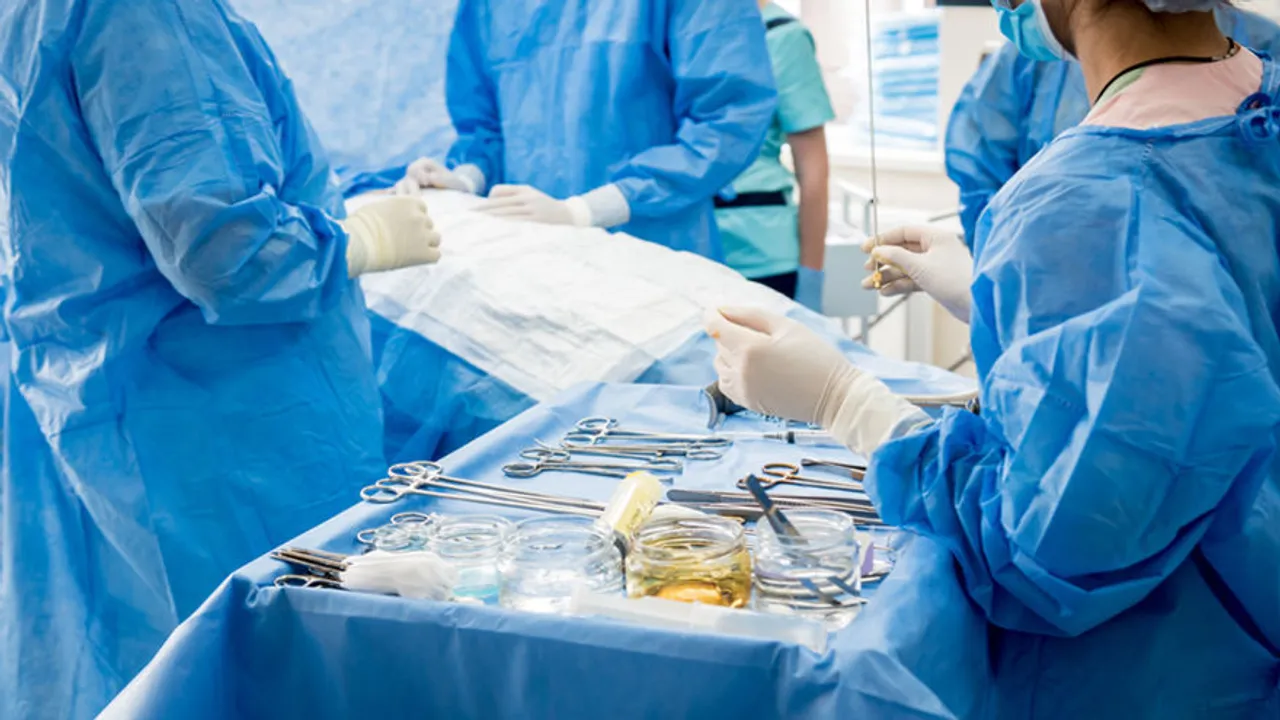
Accessory breast removal is typically performed under local anesthesia with sedation — so you remain relaxed and pain-free without the need for full general anesthesia.
Here’s what happens during the procedure:
1\. Marking and Design
Dr. Lee begins by marking the exact borders of the accessory tissue while you’re standing. This ensures that when the arm is raised postoperatively, the contour remains even and symmetric.
2\. Anesthesia and Preparation
Local anesthetic is applied to numb the area, and tumescent fluid is infused to minimize bleeding and loosen fatty tissue.
3\. Tissue Removal
Through a small incision (usually hidden within the natural crease of the armpit), the glandular component is dissected and removed. If excess fat is present, it’s simultaneously refined using micro-liposuction cannulas, ensuring a gradual slope toward the main breast.
4\. Hemostasis and Skin Retraction
After removal, meticulous cauterization seals small blood vessels. In some cases, radiofrequency tightening is applied to encourage the skin to retract smoothly without sagging.
5\. Closure and Dressing
The incision is closed with fine, absorbable sutures. A light compressive bandage or customized garment is applied to support healing and reduce swelling.
The whole surgery generally takes 40–60 minutes depending on tissue volume. Most patients can go home the same day.
What to Expect After Surgery
🕰 Recovery Timeline
- First 1–3 days: Mild swelling or tightness is normal. Keep arms relaxed and avoid raising them above shoulder level.
- 1 week: Most bruising begins to fade. You can usually return to desk work.
- 2–3 weeks: Swelling continues to subside; shape becomes more defined. Light exercise may resume.
- 1–3 months: Final contour stabilizes, and the skin becomes smooth and firm.
🌿 Comfort and Care
At Dite, we use high-frequency lymphatic massage and LED recovery therapy to speed healing and reduce stiffness in the axillary area. These treatments also help refine the skin texture, so the underarm regains a natural softness instead of postoperative firmness.
Pain is usually mild and well managed with standard oral medication. Most patients describe the sensation as tightness rather than sharp pain.
Will the Tissue Come Back?
Once the accessory glandular tissue is completely removed, it does not regrow. However, if liposuction alone is performed without excision of the gland, small remnants can sometimes enlarge again with hormonal changes.
This is why precise diagnosis matters. At Dite Plastic Surgery, ultrasound confirmation ensures all functional tissue is addressed — not only fat — so recurrence risk is virtually eliminated.
Scarring and Aesthetic Outcome
Because the incision is placed in a natural armpit fold, the scar becomes nearly invisible within months. In patients with very elastic skin, no additional tightening is required. However, if the accessory breast was large and caused sagging, a small amount of skin excision may be added to smooth the contour.
The result should look effortless — like the body always belonged this way. Many of our patients tell us that they finally feel comfortable wearing sleeveless tops for the first time in years.
The Dite Approach: Precision Beyond Removal
Dr. Jun Wook Lee’s philosophy is that every contour surgery — no matter how small — deserves the same degree of design and care as a major aesthetic procedure. With over 20 years of surgical experience and training from MD Anderson Cancer Center, he brings oncologic precision and aesthetic artistry into one seamless approach.
In accessory breast removal, that means:
- Ultrasound-based planning before surgery
- Tissue-specific excision for permanent, natural results
- Meticulous scar design for minimal visibility
- Postoperative contour support to encourage ideal healing
This holistic method ensures that patients don’t just lose a lump or bulge — they gain a refined, proportionate shape that enhances the harmony of the upper body.
Emotional Confidence After Surgery

What many patients don’t realize is how much emotional relief comes after accessory breast removal. For years, some have avoided certain arm positions or clothing styles, feeling self-conscious in ways they can’t fully explain. After surgery, that quiet discomfort disappears.
Patients often describe the change as “lightness” — not just in their underarm area, but in their confidence. It’s a subtle transformation that goes beyond physical form.
Planning Your Own Procedure
If you’re wondering whether your underarm fullness is an accessory breast, a consultation with an experienced plastic surgeon is the best first step. Not all underarm bulges are true glandular tissue — some are simply fat deposits, lymphatic swelling, or skin folds from previous weight changes.
A thorough evaluation, including ultrasound imaging, can clarify the cause and determine whether excision, liposuction, or both are appropriate.
At Dite Plastic Surgery, every consultation includes:
- Detailed physical assessment
- Imaging confirmation
- Customized surgical planning
- Guidance on postoperative care and garment fitting
Your Next Step Toward Comfort and Confidence
If you’ve been hiding or feeling uncomfortable because of excess tissue near your armpit, know that a refined, permanent solution exists. Accessory breast removal — when performed with precision and artistry — can restore balance, comfort, and ease in your daily life.
A personalized consultation with Dr. Jun Wook Lee at Dite Plastic Surgery can help you understand your unique anatomy and design a treatment that brings natural, confident results.
Articles
Evidence-based surgical guides, clinical insights, and recovery resources from Dite Plastic Surgery.

The Top 5 Benefits of Hip Implant Surgery
"Discover the top 5 benefits of hip implant surgery, from pain relief to improved mobility. Learn how it can enhance your quality of life today!"
Learn More

The Risks and Benefits of Hip Revision Surgery Explained
Discover the risks and benefits of hip revision surgery, from recovery to outcomes, to make informed decisions. Learn more today!
Learn More

Why Abdominal Surgery Is the Ultimate Solution for Stubborn Belly Fat
Discover why abdominal surgery is the best solution for stubborn belly fat. Learn benefits, risks & results to achieve your dream body today!
Learn More