Specialized Breast & Body Contouring Center in Seoul · Dedicated 1:1 International Patient Concierge


Articles
What to Expect from Abdominal Surgery for a Sculpted Belly
Considering abdominal surgery for a flatter, sculpted belly? Discover what to expect from tummy tucks and body contouring at Dite Plastic Surgery in Seoul — from recovery timelines to personalized surgical planning.
Schedule a ConsultationWhat to Expect from Abdominal Surgery for a Sculpted Belly
Most people don’t dream of having a “perfect” body. What they’re really looking for is balance — a figure that feels right in clothes, a waistline that moves with grace, a stomach that reflects the effort they've put into their lifestyle. But for many, no amount of diet or core work can fully address a soft, protruding, or uneven midsection.
That’s where abdominal surgery — often referred to as a tummy tuck (abdominoplasty) or abdominal contouring surgery — comes into play. Not as a shortcut, but as a refinement. A way to restore harmony to the torso when time, genetics, or major life changes (like pregnancy or weight loss) have reshaped it.
At Dite Plastic Surgery in Gangnam, where we specialize in high-precision body contouring, abdominal surgery isn’t a one-size-fits-all procedure. It’s a custom surgical design, executed with both artistry and anatomical precision.
So what should you realistically expect — physically, emotionally, and practically — if you’re considering abdominal surgery for a more sculpted belly?
The Real Reason People Seek Abdominal Contouring
It’s not just about fat. In fact, many of our patients are not “overweight” by conventional standards. They’re often slim elsewhere — but struggle with:
- Loose skin that hangs or folds over the waistband
- Muscle separation (diastasis recti), often post-pregnancy
- Stubborn fat pockets that resist diet and exercise
- A lack of definition or flatness, especially in side profile
We see this often at our Seoul clinic: patients who feel healthy and strong, yet frustrated that their midsection doesn’t reflect their actual lifestyle.
And in Korea — particularly Gangnam — where aesthetic standards are exacting but also rooted in subtlety, the goal is not an artificial “six-pack.” It’s a natural, smooth abdominal plane that supports posture, femininity (or masculinity), and proportion.
What Is Abdominal Surgery, Exactly?
The term “abdominal surgery” can refer to several techniques, depending on your needs. At Dite, the most common approaches include:
Full Tummy Tuck (Abdominoplasty)
For patients with excess skin, muscle laxity, and localized fat — often after pregnancy or major weight loss. This involves:
- Removing excess skin and fat
- Repairing separated abdominal muscles (diastasis)
- Repositioning the navel for a natural look
Mini Tummy Tuck
For those with mild to moderate skin laxity below the navel. Less invasive, with a shorter scar and faster recovery.
High-Definition Liposuction
Often paired with a tuck or done on its own, this uses high-frequency or laser-assisted liposuction to refine the waistline, flanks, and upper abdomen for subtle definition.
At Dite, we often perform hybrid abdominal surgeries — where multiple techniques are combined based on your exact body shape, skin tone, and muscle condition.
What Many Patients Don’t Realize Before Surgery
If you’ve never had body surgery before, it’s hard to imagine what it really feels like. Here's what we often tell our patients during consults:
1. You’ll feel tight, not painful.
Most patients describe the initial sensation not as pain, but as tightness or restriction, especially when standing upright. This is particularly true if your abdominal muscles were repaired.
2. The scar is real — but discreet.
In skilled hands, a tummy tuck scar sits low, just above the pubic area, and can be concealed even under swimwear. Over time, with proper scar care (including laser if needed), it fades significantly.
3. The “flat” look doesn’t happen overnight.
Swelling in the lower abdomen can last weeks to months. Early on, your belly may feel puffy — not sculpted. Patience and proper recovery protocols are key.
4. Your posture may improve.
Muscle tightening often leads to better posture and core engagement, which many patients find empowering in daily life.\n\n### 5\. Emotional shifts are common.
Many patients experience a wave of self-consciousness in the early healing stages — swelling, drains, garment compression — followed by emotional relief as their body finally reflects their efforts.
How Long Is the Recovery — and What Support Will I Need?
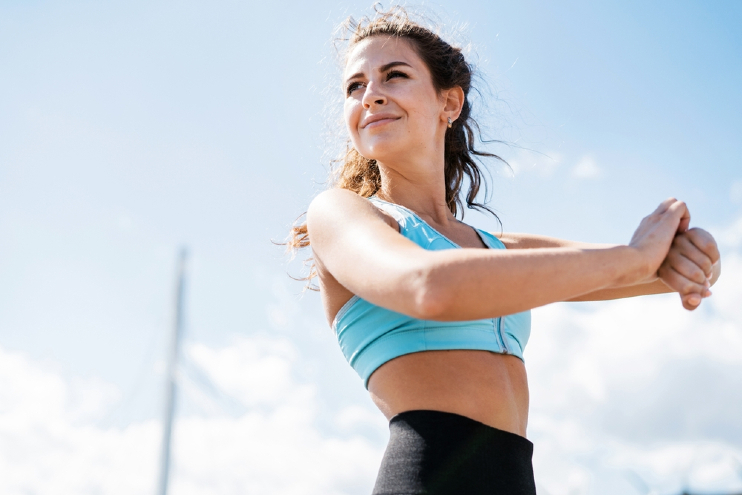
This is one of the most common concerns. At Dite Plastic Surgery, we build recovery into the treatment plan, because we know healing well is just as important as operating well.
Recovery Timeline (General Guide)
- Week 1: Rest and light walking. Compression garment worn full-time. Swelling, bruising, and drainage tubes (if placed) are expected.
- Weeks 2–3: Gradual return to daily activities. Discomfort reduces significantly.
- Weeks 4–6: Light exercise may resume. Swelling begins to subside.
- Month 3+: Final results become visible. Scar management begins.
We use advanced lymphatic drainage techniques, laser-assisted recovery tools, and personalized garment fitting to enhance comfort and minimize downtime.
International patients can also request our post-op concierge program, which includes hotel recovery coordination and nurse visits.
Are You a Good Candidate?
You may be a good candidate for abdominal surgery if you:
- Are near your goal weight (within 10-15% range)
- Have no plans for future pregnancy
- Are in good general health and do not smoke
- Have realistic expectations about scars and healing
- Want to enhance contour, not chase perfection
At Dite, we take time to evaluate skin elasticity, muscle condition, and fat distribution — not just weight — to design a plan that fits your body and goals.
Why Dite Plastic Surgery for Body Contouring in Seoul?
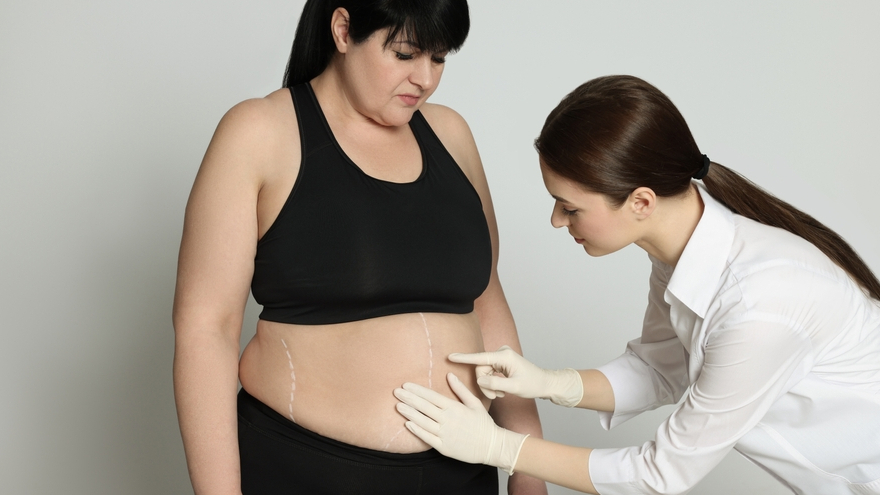
There are many clinics in Seoul — but few focus exclusively on body surgery. Dite Plastic Surgery was founded with a clear purpose: to elevate the art of body contouring through custom aesthetic planning, precise surgical skill, and refined recovery care.
Led by Dr. Jun Wook Lee, who trained at MD Anderson Cancer Center, the clinic brings oncologic precision to cosmetic design — meaning we don’t just cut and suture, we sculpt with attention to every tissue layer, vessel, and tension line.
Patients choose Dite for:\n\n- Hybrid tummy tucks tailored to natural proportion
- High-frequency liposuction for smoother outcomes
- Comprehensive scar management and recovery support
- A quiet, discreet setting in Gangnam’s medical district
Final Thoughts: A Sculpted Belly Isn’t Just Vanity — It’s Personal
Choosing abdominal surgery isn’t about chasing someone else’s beauty standard. For most patients we see, it’s about restoring a sense of ownership over their body — reclaiming their silhouette after years of change.
If you're thinking about reshaping your abdomen, don’t settle for generic advice. Book a consultation at a body-focused clinic like Dite, where your figure is treated as something worth studying, respecting, and refining — not reshaping into a template.
Considering surgery or just exploring your options?
A personalized evaluation with an expert like Dr. Jun Wook Lee can help you determine the best approach for a naturally sculpted, confident result.
Articles
Evidence-based surgical guides, clinical insights, and recovery resources from Dite Plastic Surgery.

The Top 5 Benefits of Hip Implant Surgery
"Discover the top 5 benefits of hip implant surgery, from pain relief to improved mobility. Learn how it can enhance your quality of life today!"
Learn More
The Risks and Benefits of Hip Revision Surgery Explained
Discover the risks and benefits of hip revision surgery, from recovery to outcomes, to make informed decisions. Learn more today!
Learn More

Why Abdominal Surgery Is the Ultimate Solution for Stubborn Belly Fat
Discover why abdominal surgery is the best solution for stubborn belly fat. Learn benefits, risks & results to achieve your dream body today!
Learn More