Specialized Breast & Body Contouring Center in Seoul · Dedicated 1:1 International Patient Concierge

Articles
What to Expect from Nipple Correction Surgery Recovery
Recovering from nipple correction surgery? Learn what to expect at every stage — from swelling and sensation changes to emotional healing. Expert insights from Dite Plastic Surgery in Seoul, where recovery is as precise and personalized as the procedure itself.
Schedule a ConsultationWhat to Expect from Nipple Correction Surgery Recovery
Nipple correction may be a small surgical procedure in terms of duration and incision size, but its emotional and aesthetic impact is often far greater than many expect. Whether performed on its own or in combination with a breast lift, reduction, augmentation, or reconstruction, nipple correction surgery plays a critical role in how the body is visually and personally experienced.
At Dite Plastic Surgery in Seoul's Gangnam district, we regularly perform nipple correction procedures for patients who want not only anatomical balance but also renewed self-confidence. Our approach prioritizes precision, preservation of sensation, and a seamless recovery experience — all delivered with compassion and discretion.
Here, we offer a clear and realistic guide to what you can expect during the recovery journey — from the first few hours post-op to the long-term healing of tissues, sensation, and identity.
Understanding the Procedure: What Nipple Correction Actually Involves
Nipple correction surgery encompasses a range of procedures tailored to address the following concerns:
- Inverted nipples (grades I–III)
- Asymmetrical nipples in size, shape, or projection
- Enlarged or elongated nipples
- Post-mastectomy nipple reconstruction
The techniques vary widely depending on the anatomy and goals. For instance, inverted nipple correction often requires the release of fibrous tethering bands beneath the nipple, with or without preservation of the lactiferous ducts. In contrast, nipple reduction may involve circular excision or wedge techniques to reduce prominence while maintaining sensation.
The common thread? All forms of nipple correction demand microsurgical precision. The nipple is a small but complex structure, highly sensitive, and functionally significant — especially for women who plan to breastfeed or who are undergoing reconstruction after cancer surgery.
The Emotional Side of Recovery: Relief, Identity, and Intimacy
Before diving into timelines and wound care, it's worth naming something many patients experience but few openly discuss:
A profound sense of emotional relief, almost a reclaiming of identity.
At Dite, we regularly hear reflections like:
- "I feel like my body finally makes sense."
- "This wasn’t just cosmetic — it was psychological."
Whether the concern was congenital inversion, changes from breastfeeding, or asymmetry after implants, correcting the nipple restores not just proportion — but a part of one’s intimate confidence. It’s common to feel a renewed sense of comfort in fitted clothing, in intimacy, or simply in seeing yourself in the mirror.
It’s also normal to feel vulnerable during the healing period. This is a part of your body that isn’t often talked about publicly, and it deserves thoughtful care.
Phase One: The First 72 Hours After Surgery
The initial phase is typically simple in terms of care but delicate in terms of movement.
What to Expect Physically:
- Localized tenderness and mild swelling
- Possible light bruising around the areola
- A "tight" or "pulled" sensation, especially when lifting arms
- Some patients report tingling or mild numbness
Dressings & Support:
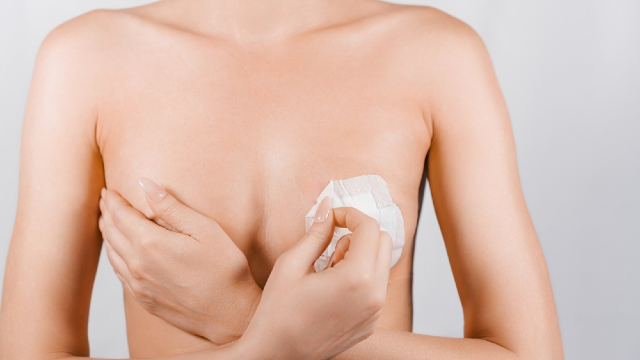
- Non-stick, silicone-coated gauze over the nipples
- Surgical bra or light compression to minimize movement
- In some cases, a small internal suture holds the new nipple shape
What You Should Do:
- Sleep on your back with head slightly elevated
- Avoid lifting arms above shoulder level
- Keep the area clean and dry — follow surgeon’s cleaning protocol
- Avoid applying any creams or ointments unless specifically advised
Medication:
- Most patients only require paracetamol or ibuprofen
- Antibiotics may be prescribed to prevent infection
Patients are usually discharged the same day and able to walk and eat normally. Emotional energy may fluctuate — that’s normal.
Phase Two: Day 4–10 — Suture Check and Early Healing

By the end of the first week, most external swelling has decreased and the dressing may be changed or removed during your follow-up.
Key Developments:
- Stitches (if non-absorbable) are usually removed between day 7–10
- The nipple shape begins to settle into its new projection
- The area may still feel firm or raised
It’s important not to judge the results too early. The surrounding tissue will continue to remodel over the next 6–12 weeks.
Common Sensations:
- A light itching or tingling as nerve endings begin to heal
- Slight hypersensitivity when fabric touches the area
Activity Guidelines:
- Still avoid strenuous arm movement or chest workouts
- You may return to work if it does not involve physical strain
- Walking and basic activities are encouraged
Phase Three: Weeks 2–6 — Integration and Shape Stabilization
This is when the changes become visibly real — and patients often begin to feel more confident in their new appearance.
Changes You May Notice:
- The nipple settles into a more natural projection and shape
- Minor asymmetries often correct themselves as swelling resolves
- Color changes (pinkness or lightening) begin to normalize
Sensation Recovery:
- Sensation may begin returning in waves — sometimes unpredictably
- Some women report temporary over-sensitivity or pins-and-needles feelings
- Others may still feel numbness, which usually fades gradually over 3–6 months
Scar Care:
- If advised, you may begin using silicone gel or scar tape
- Avoid tanning or exposing the area to direct heat
- Gentle massage (only if approved) may help tissue pliability
Psychological Milestone: This is when most patients say, "I finally feel at peace with how it looks." It’s also the point where intimacy feels natural again for many — no longer preoccupied by discomfort or self-consciousness.
Phase Four: Months 3–6 — Long-Term Recovery and Final Results
While most healing is complete by month three, the nipple area continues to mature and adapt to the surrounding breast tissue.
Long-Term Results:
- Nipple maintains natural projection (for inversion correction)
- Scarring is minimal and blends with the areola edge
- Color typically returns to its pre-surgery tone
- Function (if preserved) remains stable
Breastfeeding Consideration:
- If ducts were preserved, breastfeeding is often still possible
- Preoperative assessment is key if this is a future goal
When to Be Cautious:
- If you notice sudden loss of projection
- If there’s persistent numbness beyond 6 months
- If scar tissue begins to thicken or darken
These are rare but should be discussed with your surgeon. In most cases, minor touch-ups are not required.
The Dite Approach: Why Recovery Feels Different Here

At Dite Plastic Surgery, recovery isn’t treated as an afterthought — it’s an integral part of aesthetic success.
We support patients with:
- Custom post-op bra fittings to protect the new contour
- Low-trauma suturing techniques to minimize scarring
- Lymphatic massage referrals for smoother healing (when appropriate)
- Emotional check-ins to support psychological well-being
Our lead surgeon, Dr. Jun Wook Lee, brings decades of experience in breast-focused procedures — including complex reconstructions and aesthetic balancing. He understands that even a millimeter of change in nipple position or shape can transform the entire visual logic of the breast.
Final Thoughts: Small Procedure, Profound Impact
Nipple correction surgery recovery may be measured in weeks, but the impact often lasts a lifetime. For many, it marks the end of long-held insecurities and the beginning of feeling whole again — both physically and emotionally.
Whether you’re considering this procedure as part of a broader breast transformation or seeking a subtle standalone correction, the path forward begins with clarity, empathy, and expert planning.
Considering Nipple Correction Surgery?
If you’re navigating questions about nipple inversion, asymmetry, or proportion — we’re here to help. At Dite Plastic Surgery, every detail of your body is treated with respect, artistry, and surgical precision.
Schedule a confidential consultation to explore whether nipple correction is right for your anatomy and goals. With the right care, recovery is not just healing — it’s transformation.
Articles
Evidence-based surgical guides, clinical insights, and recovery resources from Dite Plastic Surgery.

The Top 5 Benefits of Hip Implant Surgery
"Discover the top 5 benefits of hip implant surgery, from pain relief to improved mobility. Learn how it can enhance your quality of life today!"
Learn More

The Risks and Benefits of Hip Revision Surgery Explained
Discover the risks and benefits of hip revision surgery, from recovery to outcomes, to make informed decisions. Learn more today!
Learn More

Why Abdominal Surgery Is the Ultimate Solution for Stubborn Belly Fat
Discover why abdominal surgery is the best solution for stubborn belly fat. Learn benefits, risks & results to achieve your dream body today!
Learn More