Specialized Breast & Body Contouring Center in Seoul · Dedicated 1:1 International Patient Concierge

Articles
What to Know About Hip Revision Surgery: A Step-by-Step Guide
Discover what to expect from hip revision surgery with our step-by-step guide. Learn risks, recovery tips & more to ensure a smoother outcome.
Schedule a ConsultationWhat to Know About Hip Revision Surgery: A Step-by-Step Guide

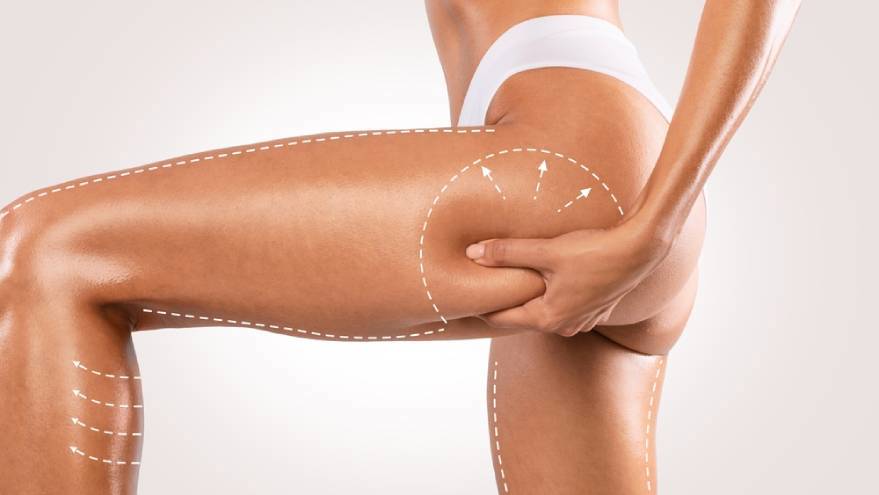
In aesthetic surgery, the hip is more than just a joint — it’s a defining contour of the body’s silhouette. When the balance of the hips is disrupted, whether from aging, prior surgery, or weight changes, it can alter the harmony of the entire lower body. Hip revision surgery addresses these changes, refining or restoring the shape, volume, and proportion of the hips for a more balanced, confident appearance.
At Dite Plastic Surgery in Seoul’s Seocho District, we often meet patients who have had previous hip procedures — sometimes overseas or at clinics with different aesthetic standards — and now wish to correct irregularities or improve the overall contour. Hip revision is not simply a “redo.” It’s a meticulous process of reassessment, design, and tailored surgical execution.
This guide walks you through what hip revision surgery involves, why patients seek it, and how we approach it step-by-step for safe, natural-looking results.
Why Patients Consider Hip Revision Surgery
A first hip augmentation or contouring procedure can be life-changing — but outcomes aren’t always perfect. Over time, the initial result can shift, or the patient’s aesthetic preferences may evolve.
Common reasons for seeking hip revision surgery include:
- Asymmetry or uneven contours – one hip may appear fuller or differently shaped than the other.
- Overfilled or underfilled volume – either due to excessive fat grafting, filler migration, or insufficient enhancement.
- Visible implant edges or rippling – usually from poorly positioned or oversized implants.
- Irregular surface or dents – often caused by uneven fat absorption after lipofilling.
- Changes in body weight or aging – which can subtly alter how the hips look and feel over time.
What many patients don’t realize is that hips are particularly sensitive to proportional changes. Even a few millimeters of imbalance can be visible when wearing fitted clothing. This is why revision work demands such a high level of precision.
Step 1: The Comprehensive Consultation
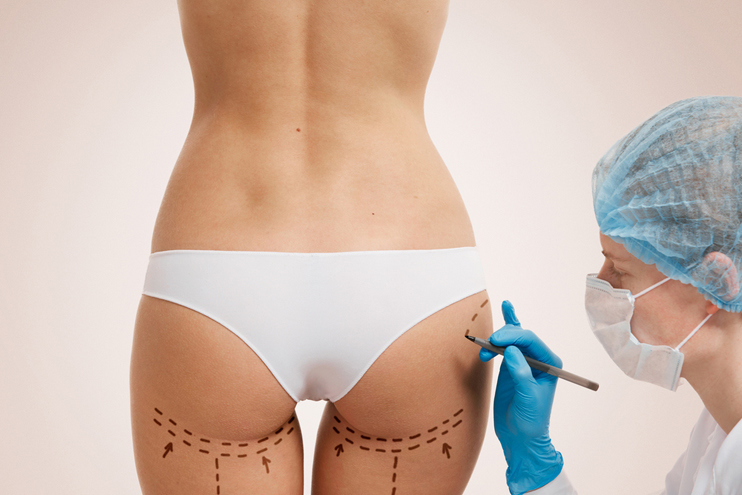
Before any revision is planned, an in-depth consultation is essential. At Dite Plastic Surgery, this first step involves more than simply examining the hips. We look at the entire lower body in relation to the waist, thighs, and buttocks to see how all the contours interact.
A typical consultation may include:
- 3D body scanning and imaging – to accurately map asymmetries.
- Palpation and tissue analysis – to evaluate skin elasticity, scar tissue, and muscle tone.
- Review of prior surgical history – including operation notes if available.
- Discussion of the patient’s goals – whether they want subtle refinement or a more dramatic change.
For many revision patients, emotional factors are as important as physical ones. Some come feeling disappointed, anxious, or even embarrassed about previous results. Part of our job is to rebuild confidence — not just in appearance, but in the surgical process itself.
Step 2: Surgical Planning & Design
Hip revision surgery isn’t a one-size-fits-all operation. The surgical plan is highly individualized, taking into account the cause of dissatisfaction, the available tissue, and the desired outcome.
We consider several factors during planning:
- Type of original procedure – Was it fat grafting, an implant, or a combination?
- Condition of existing tissue – Is there scar tissue, skin laxity, or uneven fat absorption?
- Balance with surrounding areas – Sometimes improving the waist or outer thigh contour is part of the hip revision process.
- Choice of augmentation method – Fat grafting, implants, or hybrid techniques.
Think of it like restoring a fine sculpture: you don’t just replace what’s missing; you refine proportions, smooth edges, and enhance symmetry.
Step 3: The Procedure Itself
Hip revision surgery can involve a range of techniques depending on the patient’s starting point and goals.
1\. Fat Grafting Revision

If the first surgery involved fat transfer, revision may include:
- Harvesting fat from areas like the abdomen or thighs.
- Purifying and carefully layering the fat into the hips for smoother contour.
- Correcting asymmetries by adding volume precisely where needed.
The challenge here is accounting for previous fat absorption patterns — something only experienced surgeons can predict.
2\. Implant Revision
For patients with hip implants:
- Malpositioned or oversized implants may be replaced with better-fitted options.
- Implant pockets can be adjusted to improve positioning.
- Scar tissue may be released to restore a softer, more natural feel.
3\. Hybrid Approach
Combining smaller implants with strategic fat grafting often yields the most natural result — especially in revision cases where tissue coverage is thin.
Step 4: Advanced Techniques for a Smoother Outcome
At Dite Plastic Surgery, we incorporate advanced tools and methods to maximize the revision’s success:
- High-frequency body contouring devices – to improve skin tightness and smoothness.
- Micro-droplet fat injection – for fine control over volume distribution.
- Scar tissue release with precision cannulas – to free up tethered skin.
- Meticulous layer-by-layer closure – to minimize visible scarring.
These small but significant details make a big difference in revision work, where the margin for error is much smaller than in a first-time procedure.
Step 5: Recovery & Aftercare
Recovery after hip revision is often slightly longer than after the initial surgery, simply because we are working with tissue that has already been altered.
Typical recovery timeline:
- First 1–2 weeks – Swelling and bruising are most noticeable. Compression garments are worn continuously.
- Week 3–4 – Gradual return to light activities, with swelling decreasing.
- 3 months+ – Final shape becomes more defined as tissues settle.
We also recommend:
- Specialized compression wear tailored to hip contour.
- Manual lymphatic drainage massage to reduce swelling.
- Avoiding pressure on the hips for several weeks.
Risks & Considerations
As with any revision surgery, the risks include:
- Infection
- Fat resorption (in fat grafting cases)
- Implant complications (if used)
- Skin irregularities
However, with proper surgical planning, modern techniques, and meticulous aftercare, these risks are greatly minimized.
It’s also important to have realistic expectations. Hip revision can significantly improve shape and symmetry, but no surgery can create a “perfect” body. The goal is harmonious proportion — something that looks and feels right for you.
The Dite Plastic Surgery Difference
Hip revision is an art that requires more than just technical skill — it demands an understanding of proportion, harmony, and patient psychology. At Dite Plastic Surgery, Dr. Jun Wook Lee brings over 20 years of surgical expertise and advanced training from MD Anderson Cancer Center to each procedure. Our approach blends:
- Precise aesthetic mapping – ensuring symmetry from all angles.
- Customized techniques – fat grafting, implants, or hybrids chosen case-by-case.
- Premium recovery support – from advanced compression garments to guided rehabilitation.
Patients come to us not just for correction, but for restoration of confidence.
Final Thoughts
If you’re dissatisfied with a previous hip surgery — whether due to contour irregularities, asymmetry, or simply changing tastes — hip revision can be a powerful option for restoring balance. The process requires patience, planning, and the right surgical partner.
At a body-focused clinic like Dite Plastic Surgery, revision isn’t about erasing the past; it’s about refining your present and future silhouette.
If you’re considering subtle enhancement or major correction, book a consultation with Dr. Jun Wook Lee. Together, we can design a natural, proportionate result that feels authentically yours.
Articles
Evidence-based surgical guides, clinical insights, and recovery resources from Dite Plastic Surgery.
The Top 5 Benefits of Hip Implant Surgery
"Discover the top 5 benefits of hip implant surgery, from pain relief to improved mobility. Learn how it can enhance your quality of life today!"
Learn More

The Risks and Benefits of Hip Revision Surgery Explained
Discover the risks and benefits of hip revision surgery, from recovery to outcomes, to make informed decisions. Learn more today!
Learn More

Why Abdominal Surgery Is the Ultimate Solution for Stubborn Belly Fat
Discover why abdominal surgery is the best solution for stubborn belly fat. Learn benefits, risks & results to achieve your dream body today!
Learn More