Personalized Medical Care & Dedicated International Patient Concierge

Medical Guide
Medical Tourism Korea: 20% Growth in Abdominal Liposuction Cases
Medical Tourism Korea: 20% Growth in Abdominal Liposuction Cases The global demand for medical tourism in South Korea has surged dramatically over the past decade, driven by advanced surgical techniques, world-class safety protocols, and highly reproducible aesthetic outcomes.
Schedule a ConsultationMedical Tourism Korea: 20% Growth in Abdominal Liposuction Cases
The global demand for medical tourism in South Korea has surged dramatically over the past decade, driven by advanced surgical techniques, world-class safety protocols, and highly reproducible aesthetic outcomes. According to Korean healthcare market reports evaluating international patient inflows, body contouring procedures have seen a significant upward trajectory, highlighted by a notable 20% year-over-year growth in abdominal liposuction cases among medical tourists.
For international and domestic patients aged 30–70 seeking to restore body proportions, address stubborn visceral-adjacent fat deposits, or correct postpartum abdominal laxity, navigating the specialized medical landscape in Seoul can be overwhelming. Modern patients increasingly demand procedures that offer high-precision targeting while minimizing systemic strain. As surgical technology evolves, specialized centers like Dite Plastic Surgery are shifting the paradigm from aggressive fat extraction to high-definition, anatomy-respecting abdominal sculpting.
This data-driven insights report provides a comprehensive look at the current benchmarks, standard care limitations, and advanced surgical frameworks governing abdominal contouring in South Korea today.
Why is Abdominal Liposuction in Korea Seeing a 20% Growth in Medical Tourism?
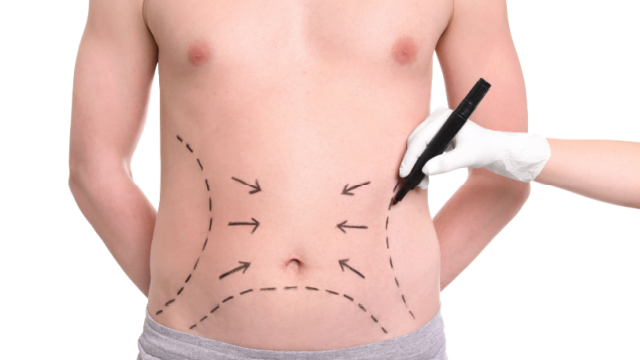
The 20% growth in international patients traveling to Korea for abdominal fat removal is not accidental. It reflects a systemic shift in patient demographics and expectations. While body contouring was once viewed primarily as a millennial trend, contemporary clinical data shows an influx of patients aged 40 to 60. These individuals frequently seek abdominal surgery to counteract hormonal fat redistribution, metabolic shifts, and structural changes that do not respond to diet or exercise alone.
Furthermore, medical tourists choose South Korea due to the dense concentration of board-certified plastic surgeons who utilize specialized, structural approaches to body sculpting. Rather than treating abdominal fat as an isolated issue, Korean body contouring frameworks analyze the patient’s complete silhouette, linking abdominal proportions directly to the waist, flanks, breast line, and hip transitions.
Current Standard Approaches to Abdominal Fat and Their Limitations
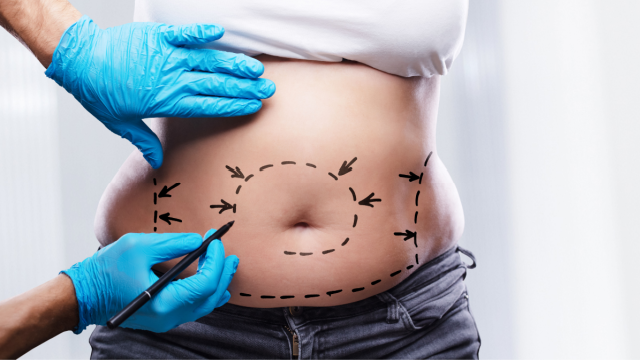
Patients seeking abdominal reduction typically choose between traditional mechanical liposuction, non-invasive fat-freezing devices, or extensive open surgeries like a full abdominoplasty (tummy tuck). While each has its place in clinical medicine, standard approaches often present distinct challenges for medical tourists who operate on compressed timelines.
Common Treatment Options for Abdominal Contouring
- Traditional Mechanical Liposuction: Utilizes large, blunt cannulas manually moved back and forth to break up fat tissue before suctioning.
- Non-Invasive Cryolipolysis / Laser Lipolysis: Uses external cooling or heat plates to induce localized fat cell apoptosis over multiple sessions.
- Classic Abdominoplasty: Involves large horizontal incisions to excise excess skin and surgically tighten the underlying abdominal wall muscles.
Key Pros, Cons, and Patient Pain Points
* Traditional Liposuction
- Pros: Removes significant volumes of fat in a single session.
- Cons/Pain Points: Higher risk of skin irregularities (lumping, dimpling), prolonged swelling, significant bruising, and extended down-time for international travelers.
* Non-Invasive Fat Freezing
- Pros: No surgical incisions; zero surgical downtime.
- Cons/Pain Points: Modest, unpredictable results; requires 3–6 months to see visible changes; completely ineffective for mild-to-moderate skin laxity.
* Classic Abdominoplasty
- Pros: Directly corrects severe skin sagging and muscle separation (diastasis recti).
- Cons/Pain Points: Leaves a long, permanent scar; requires weeks of intense recovery and a lengthy hospitalization stay, which increases costs over time.
The Advanced Approach: High-Precision Tissue Separation and Abdominal Sculpting
To overcome the uneven texture and prolonged recovery periods of traditional methods, South Korea's leading surgical institutions have pioneered High-Precision Tissue Separation and Abdominal Sculpting. This advanced technique relies on the biological principle of hydro-dissection and tissue preservation, ensuring that fat is removed smoothly without tearing surrounding blood vessels, nerves, or connective fibers.
How High-Precision Abdominal Sculpting Works
Instead of forcefully ripping fat cells away from the deep fascial layers, the surgeon introduces a specialized, pressurized fluid solution to gently separate the targeted subcutaneous fat from vital structural tissues. High-definition endoscopes and high-resolution ultrasound imaging are used intraoperatively to map the exact depth of the fat layers in real time.
Once the layers are cleanly separated, fine, micro-cannulas gently harvest the fat cells. This high-precision tracking ensures that the remaining thin layer of fat directly beneath the skin is perfectly uniform, virtually eliminating the post-operative "lumpy" texture common in standard procedures. Additionally, because the blood vessels remain entirely intact, post-operative bleeding and fluid accumulation (seroma) are dramatically reduced, which substantially accelerates the overall healing timeline.
Is Advanced Abdominal Surgery in Korea Worth the Cost?
Yes, for patients seeking precise anatomical symmetry and minimal downtime. By utilizing ultrasound-guided tissue separation and specialized post-operative recovery tracks, these advanced protocols reduce the risk of secondary revision surgeries and uneven skin textures. This makes the upfront investment highly cost-effective compared to undergoing repeated non-invasive treatments or managing complications from traditional, aggressive liposuction back home.
Comparative Data: Conventional Path vs. Advanced Abdominal Sculpting
When evaluating the clinical pathways of abdominal contouring, tracking recovery timelines, complication rates, and tissue response yields clear distinctions between traditional mechanical extractions and advanced tissue-preserving surgeries.
| Metric / Feature | Traditional Abdominal Liposuction | Advanced High-Precision Abdominal Sculpting |
|---|---|---|
| Surgical Precision Mechanism | Manual, blind cannula movement; high mechanical friction | Ultrasound-mapped, fluid-guided hydro-dissection |
| Subcutaneous Skin Texture | At risk for dimpling, ridges, or asymmetrical contouring | Highly uniform, smooth transitions along natural muscle lines |
| Tissue Traumatization | High; frequent disruption of minor blood vessels | Minimal; selective fat targeting preserves nerves and fascia |
| Post-Operative Recovery Phase | 4 to 6 weeks of significant swelling and bruising | 1 to 2 weeks; accelerated by advanced lymphatic drainage |
| Hospitalization & Stay Requirements | Often requires 7–10 days in-country before safe travel | Frequently cleared for travel adjustments within 5–7 days |
| Long-Term Secondary Revisions | 8% to 12% rate due to contour irregularities | Less than 2% due to precise intraoperative mapping |
Local Korea Insights: Aligning Technology with Global Patient Expectations
The current landscape of Korean healthcare is fundamentally shaped by a domestic and international consumer base that demands rapid recovery, minimal visible scarring, and tech-driven safety measures. Within the Korean plastic surgery ecosystem, body contouring is no longer treated as a purely aesthetic endeavor, but as a meticulous, multidisciplinary intervention.
The regulatory environment in South Korea further supports this technological evolution. The Ministry of Health and Welfare strictly monitors safety infrastructure, ensuring that cleanroom environments, multi-modal pain management protocols, and advanced imaging modalities are standard across accredited clinics. This strict regulatory oversight, combined with a local medical culture obsessed with minimizing down-time, has fostered an environment where advanced post-operative programs—such as high-pressure oxygen therapy chambers and specialized lymphatic drainage routines—are integrated directly into the surgical package rather than treated as optional add-ons.
Where Dite Plastic Surgery Fits in Abdominal Contouring in Korea
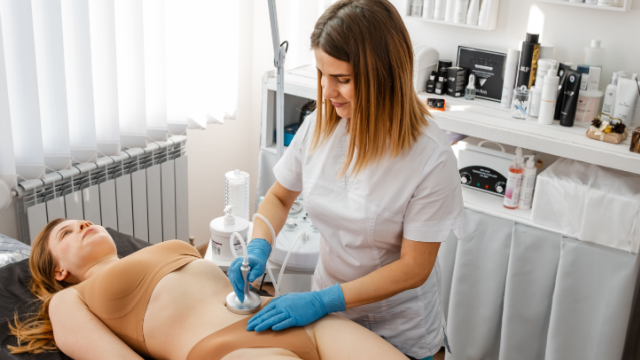
Within the competitive landscape of Seoul's medical district, Dite Plastic Surgery distinguishes itself by operating not as a high-volume, general beauty clinic, but as a highly focused, specialized center for breast and body transformations.
When addressing Abdominal Surgery and body reshaping, Dite Plastic Surgery replaces standardized, assembly-line procedures with an individualized, anatomy-driven surgical roadmap. The clinic's core philosophy rejects aggressive, over-suctioning techniques, choosing instead to deploy high-precision tissue separation to preserve the natural transition points between the abdomen, waist, and hips.
The clinic's medical infrastructure is built to support this high-definition approach:
- Chief Surgeon Leadership: Every step of the clinical journey—from the initial anatomical analysis to the surgical execution and long-term follow-up—is personally directed by founder and chief surgeon Dr. Joon-Wook Lee. With over 20 years of dedicated surgical experience and a personal milestone of more than 20,000 successful procedures, Dr. Lee provides the elite clinical judgement necessary to prevent contour irregularities.
- Advanced Technological Integration: Dite Plastic Surgery utilizes AI-powered 4D virtual simulation software during the consultation phase, allowing patients to preview proportional outcomes based on their unique skeletal structure. Intraoperatively, high-definition endoscopic visualization ensures absolute accuracy, while advanced air-filtration cleanrooms maintain strict sterility benchmarks.
- Comprehensive Post-Operative Care: Recognizing the compressed schedules of international medical tourists, the clinic implements structured recovery protocols featuring high-pressure hyperbaric oxygen chambers and targeted lymphatic therapies to accelerate tissue healing and allow a safe, swift return home.
Conclusion
The notable 20% growth in abdominal liposuction cases among medical tourists underscores South Korea's status as a global leader in advanced body contouring. Traditional fat extraction methods often fall short when it comes to skin uniformity, patient downtime, and long-term tissue preservation. By replacing aggressive mechanical force with advanced, ultrasound-mapped tissue separation, modern surgical protocols deliver harmonious, balanced body proportions while prioritizing patient safety.
Patients considering Abdominal Surgery in Korea can schedule a consultation with Dite Plastic Surgery to discuss whether this high-precision, tissue-preserving approach may be suitable for their specific anatomical conditions and long-term aesthetic goals.
More Articles
Continue reading our clinical guides.
Economic Impact of Hybrid Breast Surgery Protocols in South Korea
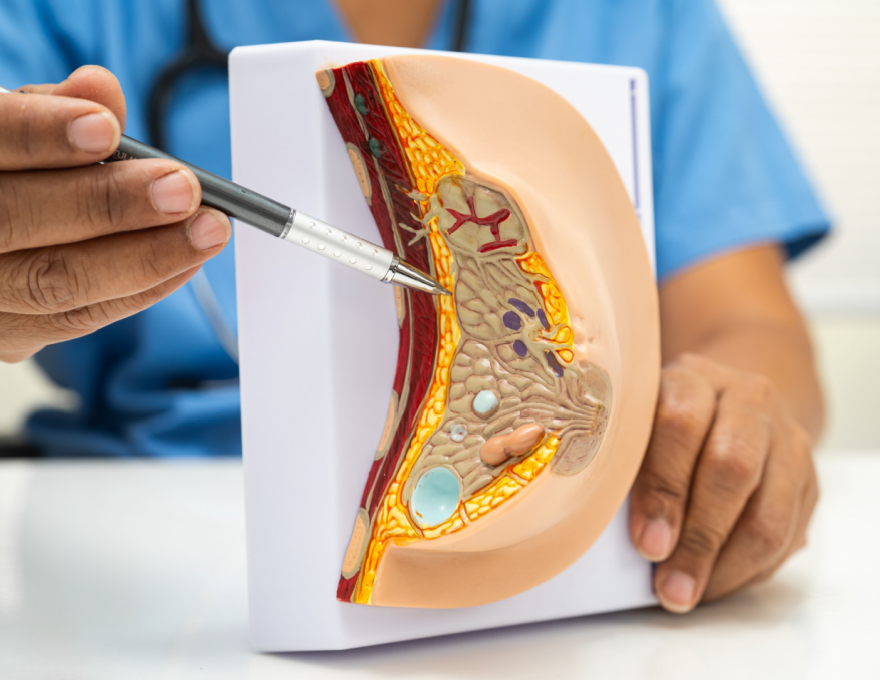
Economic Impact of Hybrid Breast Surgery Protocols in South Korea The aesthetic landscape in South Korea is undergoing a structural shift.
Learn More

Digital Diagnostics: High-Def Endoscopy in Modern Breast Surgery
Digital Diagnostics: High-Def Endoscopy in Modern Breast Surgery With the South Korean cosmetic surgery market valued at approximately USD 1.6 billion in 2024 and projected to reach USD 4.1 billion by 2035, the demand for precision-based medical interventions has never been.
Learn More

The Economic Shift Toward Minimally Invasive Breast Revision Surgery Costs
The Economic Shift Toward Minimally Invasive Breast Revision Surgery Costs For many patients, the decision to undergo a primary breast augmentation is a major life milestone, but for approximately 10% to 15% of individuals globally, a second "revision" procedure becomes a.
Learn More