Personalized Medical Care & Dedicated International Patient Concierge


Medical Guide
Success Rates of Minimally Invasive Mastopexy in South Korea: Restoring Upper Breast Volume
Success Rates of Minimally Invasive Mastopexy in South Korea: Restoring Upper Breast Volume The demand for breast rejuvenation in South Korea has seen a significant shift, with a growing number of patients seeking to address "deflation" or sagging rather than simply increasing.
Schedule a ConsultationSuccess Rates of Minimally Invasive Mastopexy in South Korea: Restoring Upper Breast Volume
The demand for breast rejuvenation in South Korea has seen a significant shift, with a growing number of patients seeking to address "deflation" or sagging rather than simply increasing size. According to recent Korean aesthetic market analyses, the corrective breast surgery sector—including mastopexy (breast lift)—has maintained a steady compound annual growth rate (CAGR) of approximately 7.5% as patients prioritize natural contours over extreme volume. For many, the primary concern is the loss of upper pole fullness, a condition often exacerbated by aging, breastfeeding, or weight fluctuations.
At Dite Plastic Surgery, the focus is on addressing these structural changes through high-precision, minimally invasive techniques. While traditional surgeries often involved extensive scarring and long recovery times, modern Korean surgical protocols now prioritize internal tissue repositioning to achieve long-term "buoyancy" and upper volume restoration for both local and international patients.
Why is Upper Breast Volume Loss Common in Korea?
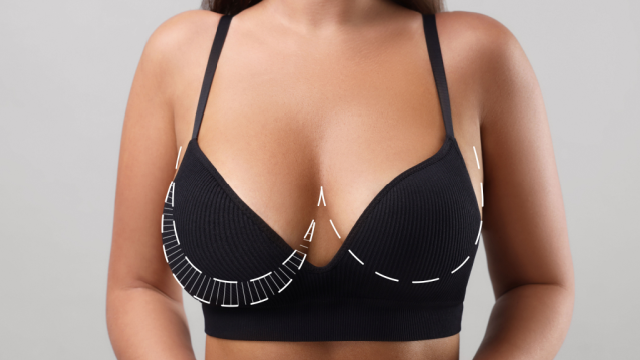
Upper volume loss, often referred to as "pseudoptosis" or "true ptosis," affects a significant portion of the female population aged 30 to 60. A nationwide survey on Korean women’s aesthetic concerns indicated that over 40% of post-pregnancy patients identified "sagging" and "emptiness in the upper breast" as their primary physical insecurity.
This condition is not merely a skin issue; it involves the stretching of the Cooper’s ligaments and the downward displacement of mammary tissue. Understanding the success rates of modern interventions is crucial for patients looking to move beyond temporary fixes like padded bras toward permanent surgical solutions.
Conventional Breast Lift vs. Minimally Invasive Mastopexy in Korea
Historically, the standard approach to sagging breasts involved the "Anchor" or "Inverted-T" incision. While effective for severe sagging, these methods often presented challenges for the modern patient.
Standard Surgical Approaches & Limitations
- Traditional Anchor Incision: Best for major skin removal but results in significant visible scarring and a recovery period of 4–6 weeks.
- Standard Implant-Only Augmentation: Often fails to fix sagging; placing a heavy implant in a sagging breast can actually accelerate further drooping (the "Snoopy" deformity).
- Common Pain Points:
- Downtime: Traditional lifts often require 7–10 days before returning to light office work.
- Scarring: High concern among Korean patients who prefer "invisible" or minimal-scar results.
- Cost Over Time: If a simple implant is used to "fill" a sag without a lift, revision surgery is often required within 3–5 years.
The Innovative Hybrid Mastopexy: A Tech-Driven Approach
To solve the problem of upper volume loss without the drawbacks of traditional surgery, Dite Plastic Surgery utilizes a Hybrid Mastopexy and Internal Bra Protocol. This advanced approach combines glandular repositioning with high-tech fat grafting or cohesive gel implants to "stack" volume where it is most needed.
How the Hybrid Internal Lift Works
Unlike older methods that simply pull the skin tighter, the Hybrid Mastopexy focuses on the "internal bra" concept. The surgeon reshapes the existing breast tissue, migrating it upward and securing it to the pectoral fascia.
- Minimally Invasive: Uses periareolar (around the nipple) or vertical incisions to minimize the footprint of the surgery.
- High-Precision: Employs advanced imaging to map tissue density, ensuring the nipple-areola complex is moved to a youthful position relative to the inframammary fold.
- Volume Restoration: If the patient's own tissue is insufficient, micro-fat grafting is used to soften the edges of the upper breast, creating a seamless transition.
Q: Is Minimally Invasive Mastopexy in Korea worth the cost?
A: Yes. While the initial investment may be higher than a standard augmentation, the success rates for "long-term lift" are significantly better. By addressing the root cause of sagging (tissue displacement) rather than just adding weight, patients avoid the high costs of revision surgeries associated with secondary ptosis.
Data & Outcomes: Comparing Surgical Pathways
Recent clinical benchmarks in Korean plastic surgery suggest that tissue-repositioning lifts have a higher patient satisfaction rate (approx. 92%) compared to skin-only lifts (approx. 74%) over a five-year period.
Comparison of Treatment Outcomes
| Feature | Conventional Skin Lift | Hybrid Internal Mastopexy |
|---|---|---|
| Primary Goal | Skin tightening | Tissue & volume repositioning |
| Incision Size | Large (Anchor/Inverted-T) | Small (Periareolar/Vertical) |
| Upper Pole Fullness | Moderate/Temporary | High/Long-lasting |
| Recovery Time | 4–6 Weeks | 1–2 Weeks |
| Risk of Bottoming Out | High | Low (Internal support) |
Local Korea Insights: The Trend Toward "Natural Longevity"
Korean patients are known for being "tech-savvy" and "results-oriented." There is a strong local trend moving away from the "over-filled" look toward "Natural Longevity." This aligns perfectly with the growth of the Korean regenerative and aesthetic market, which is increasingly utilizing biocompatible materials and specialized surgical techniques that promote faster cellular healing.
Furthermore, the regulatory environment in Korea (overseen by the MFDS) ensures that the medical devices and cohesive implants used in these procedures meet the highest global safety standards, making Seoul a primary hub for safe, high-tech breast rejuvenation.
Where Dite Plastic Surgery Fits in Breast Rejuvenation in Korea

Dite Plastic Surgery specializes in complex breast cases where "simple" solutions have failed. The clinic is positioned as a leader in Hybrid Mastopexy and Upper Volume Restoration, specifically for patients who require a lift but fear extensive scarring.
- Expert Oversight: Lead surgeons, such as Dr. Joon-Wook Lee, bring decades of experience and over 20,000 successful breast-related cases to the table, ensuring that every "Hybrid" plan is customized to the patient's unique anatomy.
- Tailored Protocols: The clinic utilizes a "Continuity of Care" model, meaning the surgeon who performs the consultation also performs the surgery and monitors the 12-month recovery phase.
- Advanced Tech: By integrating high-resolution diagnostics and specialized internal suturing techniques, Dite Plastic Surgery can achieve a "lifted" look that remains stable even as the patient ages.
Conclusion
Sagging breasts and upper volume loss affect millions of women in Korea, often leading to a loss of confidence and physical discomfort. While conventional surgeries offer a basic fix, they often come with significant downtime and scarring. The Hybrid Mastopexy offered at Dite Plastic Surgery represents a significant step forward in minimally invasive, high-precision care.
Patients considering Hybrid Mastopexy in Korea can schedule a consultation to discuss whether this advanced internal lifting approach may be suitable for their specific anatomical needs and aesthetic goals.
More Articles
Continue reading our clinical guides.
Economic Impact of Hybrid Breast Surgery Protocols in South Korea
Economic Impact of Hybrid Breast Surgery Protocols in South Korea The aesthetic landscape in South Korea is undergoing a structural shift.
Learn More

Digital Diagnostics: High-Def Endoscopy in Modern Breast Surgery
Digital Diagnostics: High-Def Endoscopy in Modern Breast Surgery With the South Korean cosmetic surgery market valued at approximately USD 1.6 billion in 2024 and projected to reach USD 4.1 billion by 2035, the demand for precision-based medical interventions has never been.
Learn More

The Economic Shift Toward Minimally Invasive Breast Revision Surgery Costs
The Economic Shift Toward Minimally Invasive Breast Revision Surgery Costs For many patients, the decision to undergo a primary breast augmentation is a major life milestone, but for approximately 10% to 15% of individuals globally, a second "revision" procedure becomes a.
Learn More